
The short answer
If your Bay Ridge chimney has a cracked, deteriorated or missing liner, or you are switching your boiler from oil to gas, you likely need a new liner sized to your heating appliance. Our certified technicians inspect the flue, confirm what the appliance requires, and install a properly fitted liner so exhaust vents safely.
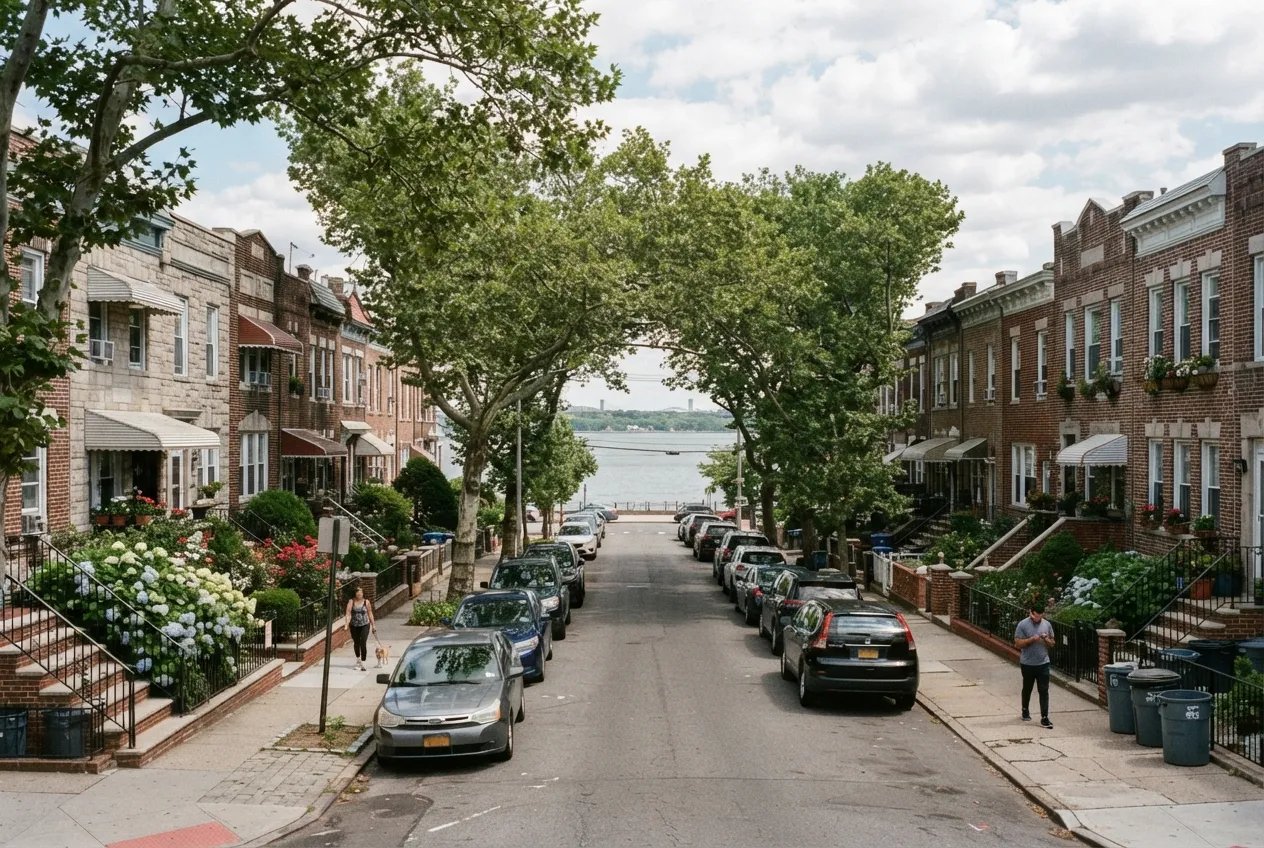
A chimney liner is the protective tube inside your flue. It carries smoke and exhaust gases up and out, and it keeps heat and acidic byproducts away from the brick and mortar around it. Many chimneys in Bay Ridge were built decades ago, and their original clay tiles have cracked, shifted or gone missing. Some were never lined at all. GoldenFlue Chimney Services works out of our office at 302 86th St. We install and replace chimney liners for rowhouses, brownstones, detached homes and pre-war apartment buildings across the neighborhood.
Why Bay Ridge Chimneys Often Need New Liners
Much of Bay Ridge's housing is older masonry construction. In these homes the chimney has usually served several generations of heating equipment. Clay tile liners from that era hold up for a long time, but freeze-thaw cycles, settling and years of heat eventually open gaps at the joints and crack the tiles. Once that happens, heat and exhaust can reach the surrounding brick, and moisture can work its way into the walls.
Brooklyn chimneys also get steady use. New York City's heat season runs from October 1 through May 31. During those months, building owners must keep apartments heated to the city's minimum temperatures. For multi-family buildings in Bay Ridge, that means the boiler and its flue run hard for most of the year. A damaged liner during heat season is a safety problem that can't wait.
Oil-to-Gas Conversions and Your Chimney
Many Bay Ridge buildings have switched or are planning to switch their boilers from oil to gas. In New York City, the chimney has to be evaluated as part of that conversion. A new liner is often needed. Gas exhaust produces acidic condensate, and over time it can corrode a masonry flue that handled oil exhaust without trouble.
Gas appliances also usually need a smaller flue than the old oil burner did. An oversized flue lets exhaust cool too quickly, which increases condensation and can weaken draft. We size the new liner to the new appliance so it vents properly from the start. Coordinate with us early in your conversion so the chimney work doesn't hold up the rest of the project.
How We Install a Chimney Liner
The NFPA 211 standard calls for chimneys, fireplaces and vents to be inspected once a year. It also calls for a more thorough Level 2 inspection when the system changes, such as a new appliance or a switch of fuel, or when a home is sold. Liner work usually falls into that category, so every job starts with a careful look at the flue.
Our process typically includes:
- Inspecting the existing flue, including a camera review of the interior where needed, to document cracks, gaps, blockages and the condition of the masonry
- Confirming the type, size and venting requirements of the appliance the chimney serves, whether a boiler, water heater, furnace or fireplace
- Recommending the right liner, most often a stainless steel liner for gas and oil appliances, with insulation where the application calls for it
- Cleaning the flue and clearing debris or old tile fragments that would block installation
- Installing the liner from the top down and connecting it to the appliance at the base
- Fitting a top plate and chimney cap to keep out rain, debris and animals
- Checking draft and confirming the system vents as intended before we leave
Signs Your Chimney Liner Needs Attention
Liner damage is usually hidden inside the chimney, but some warning signs show up around the house. Call for an inspection if you notice any of the following:
- Pieces of clay tile or flaky debris collecting at the base of the chimney or in the fireplace
- Water stains, peeling paint or damp spots on walls next to the chimney
- White, chalky deposits on the exterior brick
- Exhaust odors or poor draft when the boiler or fireplace runs
- A recent or planned change to your heating appliance or fuel
- A previous inspection that noted cracked, missing or deteriorated flue tiles
Serving Bay Ridge and Nearby Neighborhoods
Our office is at 302 86th St in Bay Ridge, and we work throughout the 11209 ZIP code. We understand the mix of housing here, from attached rowhouses with shared walls to larger detached homes and multi-unit pre-war buildings. Each type affects how we reach the chimney and run a liner.
We also install chimney liners for homeowners and building owners in Dyker Heights, Sunset Park, Bath Beach, Borough Park and Bensonhurst. Wherever you are, the work starts with an honest assessment of what your chimney actually needs.
More services in Bay Ridge
- Chimney Sweep in Bay Ridge
- Chimney Inspection in Bay Ridge
- Chimney Repair in Bay Ridge
- Air Duct Cleaning in Bay Ridge