
The short answer
GoldenFlue serves Fox Hills, Staten Island, from our Bay Ridge office about 3 miles away. We handle chimney sweeping, inspection, repair, liners, dryer vent cleaning and air duct cleaning. Book a yearly inspection, ideally before heat season starts on October 1, so problems can be fixed before winter.
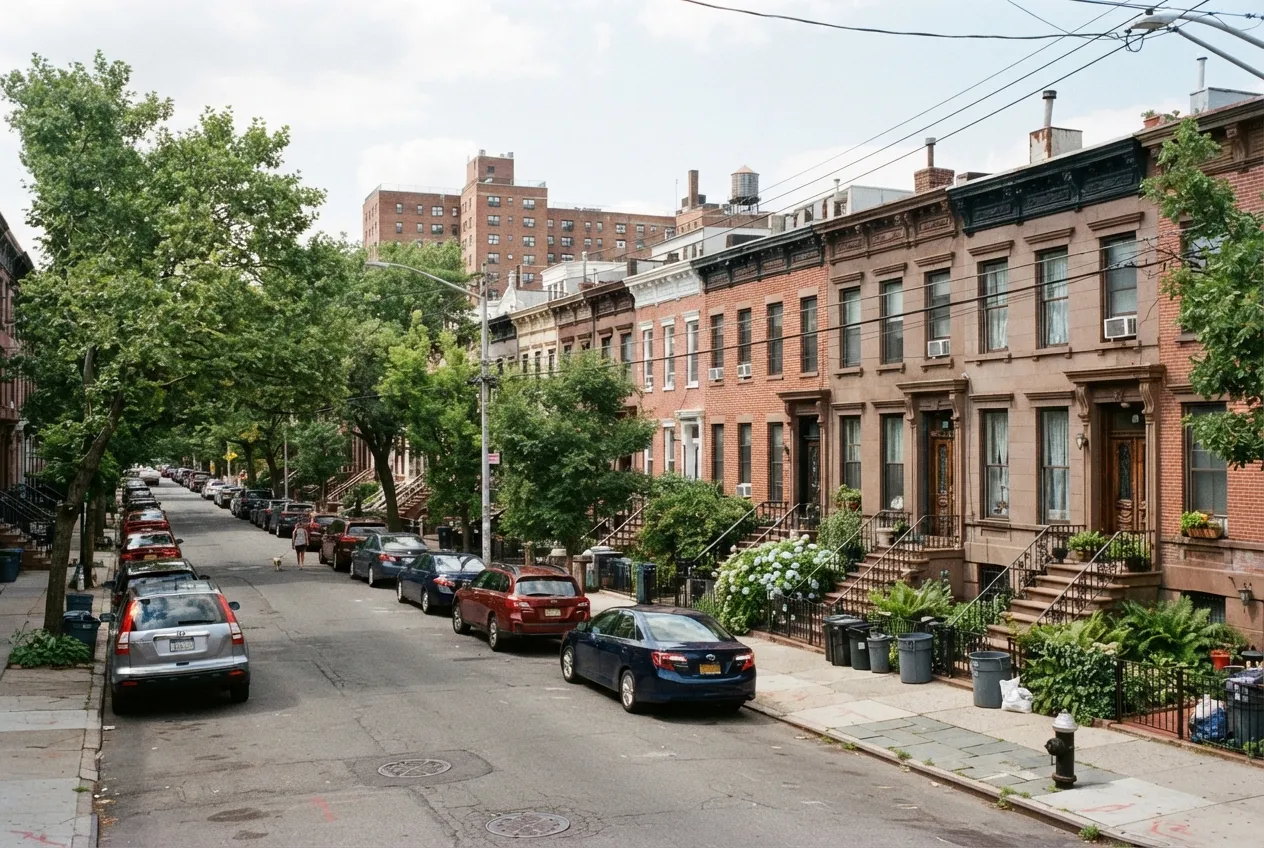
GoldenFlue Chimney Services works in Fox Hills, a Staten Island neighborhood about 3 miles west of our office in Bay Ridge, Brooklyn. We clean, inspect and repair chimneys, fireplaces, liners, dryer vents and air ducts for homeowners here and in nearby Tompkinsville, Stapleton, Clifton, Rosebank and Shore Acres. Homes in this part of Staten Island include detached houses, attached rowhouses, small multifamily buildings and pre-war apartment buildings. Many still have older masonry chimneys that vent a boiler, furnace, water heater or fireplace. This page explains what we look for and when to call.
Yearly chimney inspections for Fox Hills homes
Most chimney problems develop slowly. Creosote builds up in a fireplace flue, mortar joints wash out, or a cracked crown lets water into the masonry. You usually don't notice until something smells, leaks or drafts poorly. That is why the NFPA 211 standard calls for chimneys, fireplaces and vents to be inspected once a year, even if you rarely light a fire.
Our certified technicians use the three inspection levels that are standard in the trade. A Level 1 inspection fits a system that hasn't changed since the last check. A Level 2 inspection is the right choice when you add a new appliance, switch fuels, or buy or sell a home. A Level 3 inspection is only for cases where a suspected hidden hazard can be reached only by opening part of the chimney or the building. If we recommend one, we explain why first.
What Staten Island weather does to chimney masonry
Fox Hills sits near New York Harbor, and the local weather is hard on brick. In winter, water soaks into porous brick and mortar, freezes and expands, and pushes the masonry apart a little more each time. This freeze-thaw cycle repeats many times a season. Nor'easters and summer thunderstorms drive rain sideways into chimney walls, and humid summers keep damp masonry from drying out.
Small openings turn into big repairs if they are left alone. When the damage has gone past repointing, we can rebuild the affected section, from the top few courses to the full stack above the roofline. During an inspection we look closely at the parts that keep water out:
- Chimney caps, which keep rain, debris and animals out of the flue
- Chase covers on framed chimneys, which can rust and channel water inside
- Crowns and mortar joints, where cracks let water reach the brick
- Flashing where the chimney meets the roof, a common cause of ceiling stains
- Masonry that may benefit from a breathable water repellent
Heat season, oil-to-gas conversions and chimney liners
New York City's heat season runs from October 1 through May 31. During those months, building owners must keep apartments heated to the city's minimum temperatures. If you own a two-family or small apartment building, a chimney problem in January affects your tenants too. Scheduling cleaning, inspection and repairs in late summer or early fall leaves time to fix what we find before the boiler runs every day.
Many older buildings in this area were built for oil heat. When a New York City building converts its boiler from oil to gas, the chimney has to be evaluated as part of the work. A new liner is often needed because gas exhaust produces acidic condensate that can corrode a masonry flue. We inspect the flue, tell you whether a liner is required, and install one sized for the new appliance.
Dryer vents and air ducts
According to the U.S. Fire Administration, failure to clean is the leading factor contributing to clothes dryer fires in homes. Long or crooked vent runs collect lint quickly, and they are common where a laundry area was added after the house was built. If loads take longer to dry than they used to, or the outside flap barely opens, the vent probably needs cleaning.
For air ducts, we follow the U.S. EPA's guidance. Cleaning makes sense when there is substantial visible mold growth, signs of vermin, or excessive dust and debris. The EPA also says duct cleaning has not been shown to prevent health problems, so we don't claim it will. We tell you what we see inside your ducts and we don't push chemical treatments. The EPA also suggests researching the process before responding to very cheap advertised offers, and we're glad to explain ours before any work starts.
Our services in Fox Hills and nearby neighborhoods
We serve Fox Hills along with Tompkinsville, Stapleton, Clifton, Rosebank and Shore Acres. Our services include:
- Chimney sweep: removing soot and creosote from fireplace and appliance flues
- Chimney inspection: Level 1, 2 or 3, depending on your situation
- Chimney repair: crowns, mortar joints, flashing and damaged brick
- Chimney liner installation, including for oil-to-gas boiler conversions
- Chimney cap and chase cover installation and replacement
- Chimney waterproofing for weather-exposed masonry
- Fireplace and damper repair
- Chimney rebuilding when repairs are no longer enough
- Dryer vent cleaning
- Air duct cleaning