
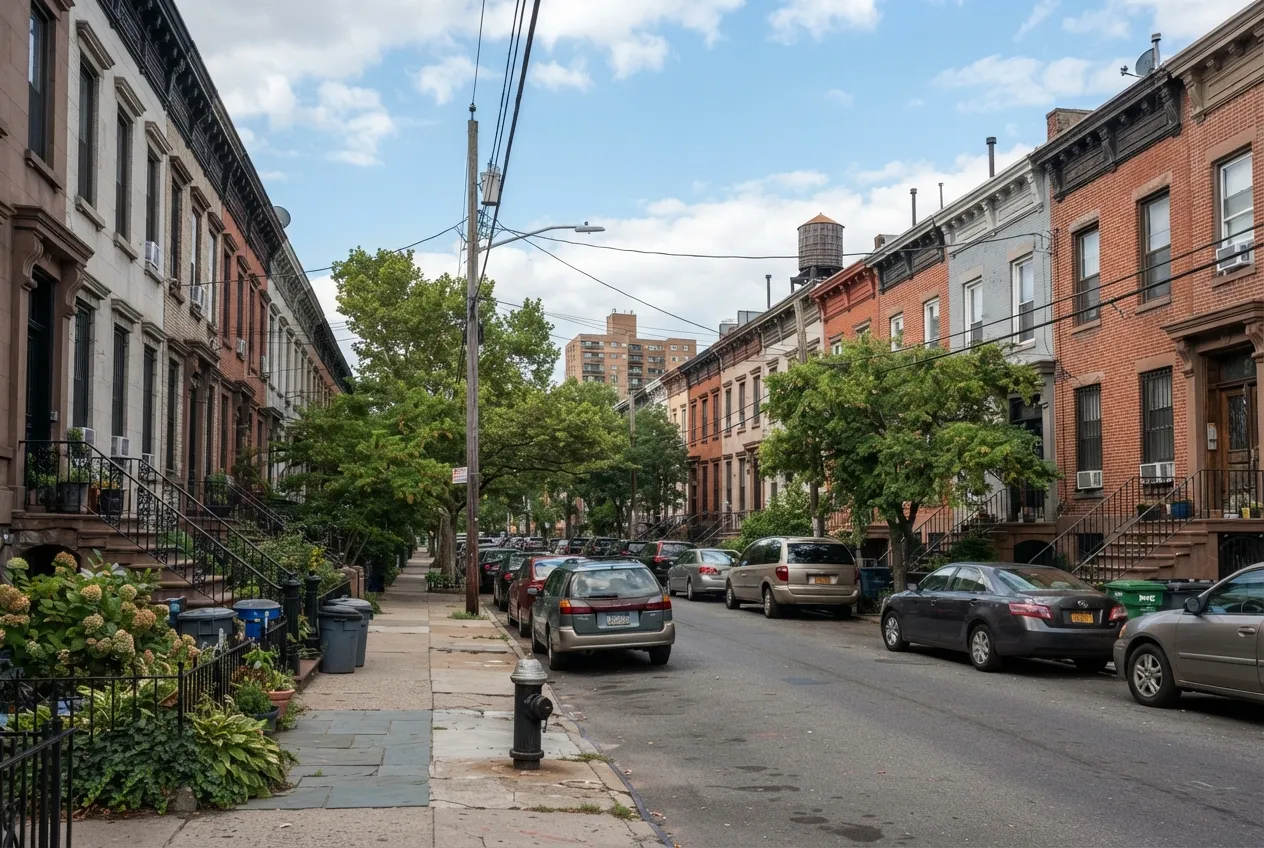
The short answer
Yes, GoldenFlue serves South Beach, Staten Island (10305), about 3 miles from our Bay Ridge office. Our certified technicians handle chimney sweeping, inspections, repairs, liners, caps, waterproofing, rebuilding, dryer vent cleaning and air duct cleaning. Because South Beach is near the shore, we pay close attention to water and salt damage.
GoldenFlue Chimney Services works in South Beach, Staten Island (ZIP 10305), about 3 miles southwest of our office in Bay Ridge, Brooklyn. Our certified technicians clean, inspect and repair chimneys, fireplaces, liners, dryer vents and air ducts in the neighborhood's detached homes, semi-attached houses, rowhouses and smaller apartment buildings. South Beach sits close to the water, so chimneys here face wind-driven rain, salt air and the winter freeze-thaw cycle on top of normal wear. This page explains what we do here and how to plan your visit.
Chimney and Fireplace Services in South Beach
Most of the fireplaces and heating flues we see in South Beach belong to detached and semi-attached houses. Some rowhouses and small multifamily buildings are mixed in. Whether you burn wood on winter weekends or only run a gas boiler, the flue needs to stay clear and sound. We start every visit by looking at the whole system. Before any work begins, we explain what we found in plain terms.
- Chimney sweep: removing soot, creosote and debris from the flue and smoke chamber
- Chimney inspection: Level 1, 2 or 3, depending on your situation
- Chimney repair: repointing joints, fixing crowns and replacing damaged brick
- Chimney liner installation: stainless steel liners for wood, oil or gas appliances
- Chimney cap and chase cover: keeping rain, animals and debris out of the flue
- Chimney waterproofing: vapor-permeable sealant for exposed masonry
- Fireplace and damper repair: sticking dampers, cracked firebox panels, worn seals
- Chimney rebuilding: partial or full rebuilds when masonry is past repair
- Dryer vent cleaning: clearing lint from the full vent run
- Air duct cleaning: for ducts with mold, vermin or heavy debris
How Shore Weather Affects Chimneys Here
Being near the water changes how a chimney ages. Wind off the bay drives rain sideways into mortar joints and around flashing. Salt in the air speeds up corrosion on metal caps, chase covers and damper hardware. Winter adds more stress. Water that soaks into brick freezes, expands and thaws again, over and over through the cold months, and each cycle opens cracks a little wider.
The first signs are usually small: - white staining on the brick - flaking mortar - rust streaks below the cap - a damp smell from the fireplace after a storm Caught early, these problems can often be fixed with repointing, a new crown, a stainless steel cap or a waterproofing treatment. Left for years, they can lead to loose brick at the top of the stack. At that point, rebuilding becomes the practical option. Fall and winter coastal storms are a good reminder to have the top of your chimney checked.
Yearly Inspections, Fuel Conversions and Liners
The NFPA 211 standard calls for chimneys, fireplaces and vents to be inspected once a year. There are three inspection levels: - Level 1 fits when nothing about your setup has changed. - Level 2 is the right choice when you switch fuels, add a new appliance, or buy or sell a house. - Level 3 is only needed when a suspected hidden problem means part of the chimney or building has to be opened to reach it.
Many older Staten Island homes and buildings have switched from oil heat to gas. In New York City, the chimney has to be evaluated as part of that conversion. A new liner is often needed, because gas exhaust produces acidic condensate that can corrode a masonry flue. If you own a multifamily building, keep in mind that the city's heat season runs from October 1 through May 31. Liner work and repairs are easiest to schedule in late spring or summer.
Dryer Vents and Air Ducts
According to the U.S. Fire Administration, failure to clean is the leading factor contributing to clothes dryer fires in homes. Long or crushed vent runs are common where laundry was added to a basement or back room, and lint builds up faster than most people expect. We clean the full run from the dryer to the outside hood. We also check that the hood flap opens freely.
For air ducts, we follow EPA guidance. Cleaning makes sense when there is substantial visible mold, signs of vermin, or excessive dust and debris. The EPA also says duct cleaning hasn't been shown to prevent health problems, so we won't claim otherwise. We don't push chemical treatments. If you see an unusually cheap duct cleaning offer, ask exactly what the process includes.
Neighborhoods Near South Beach We Serve
Beyond South Beach, we also work in Rosebank, Shore Acres, Park Hill, Tompkinsville and Stapleton. The housing mix is similar across these Staten Island neighborhoods, so the same weather and maintenance issues tend to come up. When you contact us, tell us what kind of heating system you have and any problems you've noticed. We'll plan the visit around that.
ZIP codes we serve
- 10305