
The short answer
Yes, GoldenFlue Chimney Services serves St. George, Staten Island, from our Bay Ridge, Brooklyn office about 3 miles away. Our certified technicians handle chimney sweeps, inspections, repairs, liners, and dryer vent and air duct cleaning for detached homes, rowhouses and apartment buildings.
GoldenFlue Chimney Services works in St. George, the Staten Island neighborhood about 3 miles northwest of our office in Bay Ridge, Brooklyn. Homes here often combine older masonry chimneys, converted heating systems and dryer vents that run through tight spaces. The harbor-side weather wears on all of it. Our certified technicians sweep, inspect and repair chimneys, install liners, and clean dryer vents and air ducts. This page covers the problems we see most often in St. George homes and how to plan the work around the heating season.
St. George Homes and Their Chimneys
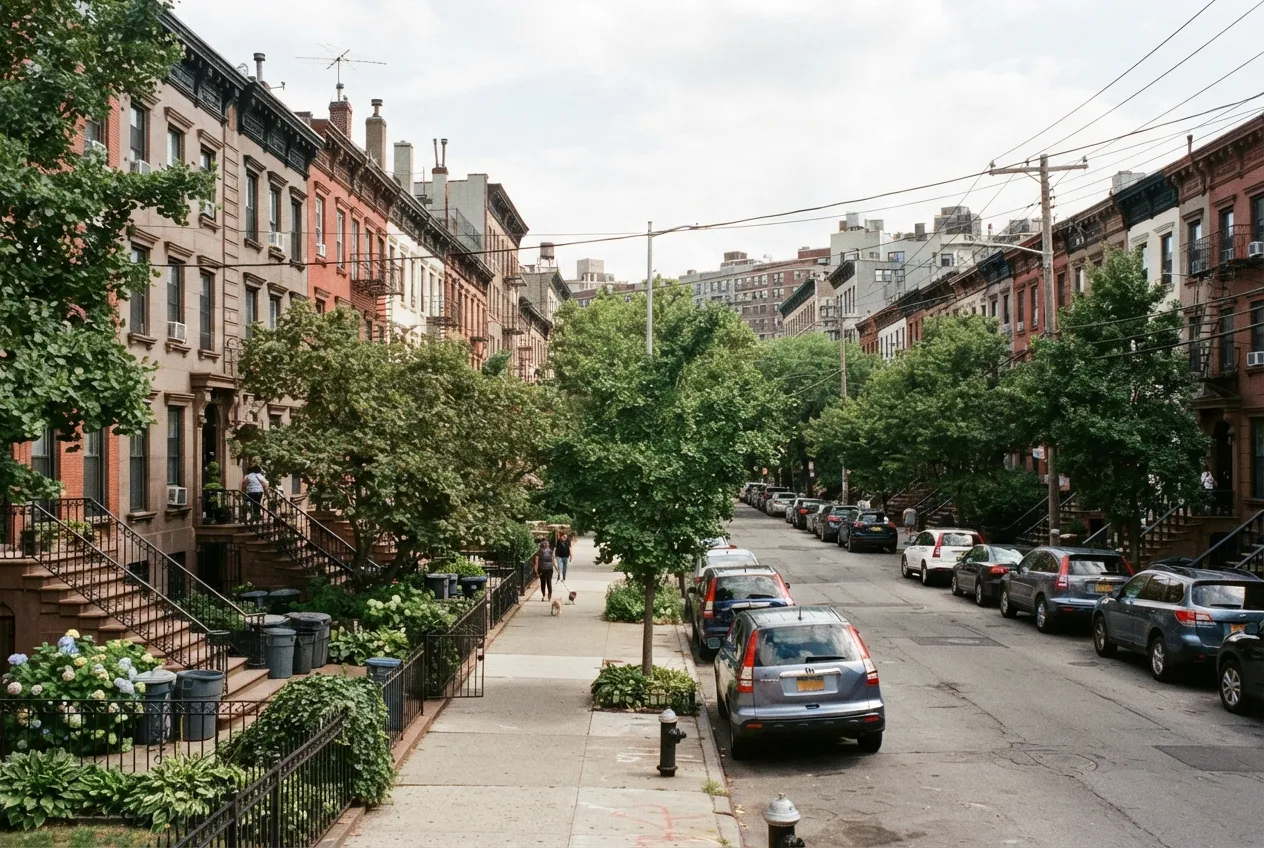
St. George has a varied housing stock that includes detached homes, attached rowhouses and pre-war apartment buildings. Many of these buildings are older than the heating systems they now use. Their chimneys were often built for wood or coal and later adapted for oil or gas, so the flue in place today may not match the appliance connected to it.
In detached homes, we often find fireplaces that haven't been used in years, with dampers rusted shut or nesting material in the flue. In rowhouses, a chimney may be shared or sit close to a neighbor's, so the crown, flashing and flue tiles need a careful check. In apartment buildings, one boiler chimney serves every unit, and a problem there affects the whole building.
How North Shore Weather Affects Your Chimney
Staten Island's North Shore has a coastal Northeast climate: cold winters with repeated freeze-thaw cycles, wind-driven rain off the water, humid summers and the occasional nor'easter. All of this works against masonry. Water soaks into brick and mortar, then freezes and expands, and each winter it widens cracks a little more.
That's why we pay close attention to the top of the chimney. A cracked crown, a missing cap or a rusted chase cover lets rain straight into the flue. From there it can damage the liner, rust the damper and stain your ceilings. A properly sized cap keeps out rain, birds and squirrels. A breathable waterproofing treatment helps brick shed water without trapping moisture inside. When mortar joints are badly eroded, repointing or a partial rebuild may be the right fix.
Annual Inspections and the Heat Season
The NFPA 211 standard calls for chimneys, fireplaces and vents to be inspected once a year. There are three inspection levels:
Level 1 fits when nothing has changed. Level 2 is for when the system changes, such as a new appliance or a switch of fuel, or when the home is sold. Level 3 is needed only when a hidden hazard has to be reached by opening part of the chimney or building.
Timing matters too. New York City's heat season runs from October 1 through May 31. During that period, building owners must keep apartments heated to the city's minimum temperatures, so a boiler chimney needs to be ready before October. For homeowners, late summer and early fall are the easiest times to schedule a sweep and inspection before you need heat.
Oil-to-Gas Conversions and Chimney Liners
Many older buildings in the area have switched, or are switching, from oil heat to gas. When a New York City building converts its boiler from oil to gas, the chimney has to be evaluated as part of the work. A new liner is often needed, because gas exhaust produces acidic condensate that can corrode a masonry flue.
We inspect the existing flue, check whether its size and construction suit the new appliance, and install a liner when one is needed. Planning the liner early helps keep the conversion from stalling near the end.
Dryer Vents and Air Ducts
According to the U.S. Fire Administration, failure to clean is the leading factor contributing to clothes dryer fires in homes. In rowhouses and apartments, dryer vents often run long distances or take several turns, so lint builds up where you can't see it. Warning signs include clothes taking longer to dry, a hot laundry room or a burning smell.
For air ducts, we follow the U.S. EPA's guidance. The EPA advises cleaning ducts when there is substantial visible mold growth, vermin, or excessive dust and debris. It also says duct cleaning has not been shown to prevent health problems. It recommends researching the process before responding to very cheap advertised offers and urges caution with chemical treatments. We'll tell you plainly whether your ducts actually need cleaning.
Services in St. George and Nearby
We serve St. George and the nearby North Shore neighborhoods of Tompkinsville, Stapleton, Clifton, Rosebank and Shore Acres. Our services include:
- Chimney Sweep: removing soot, creosote and debris from the flue
- Chimney Inspection: Level 1, 2 and 3 inspections following NFPA 211
- Chimney Repair: crowns, flashing, mortar joints and cracked flue tiles
- Chimney Liner Installation: new liners for oil-to-gas conversions and damaged flues
- Chimney Cap & Chase Cover: keeping rain and animals out
- Chimney Waterproofing: breathable treatments for weathered brick
- Fireplace & Damper Repair: getting older fireplaces working safely
- Chimney Rebuilding: partial or full rebuilds when masonry is too far gone
- Dryer Vent Cleaning: clearing lint from long or hidden vent runs
- Air Duct Cleaning: when mold, vermin or heavy debris are present