
The short answer
Bath Beach homes often need a new chimney liner when a clay flue is cracked, when the chimney was never lined, or when a boiler or water heater is replaced or converted from oil to gas. We inspect the flue, size a liner to the appliance, and install it so exhaust vents safely.
A chimney liner keeps hot exhaust, moisture and combustion gases inside the flue and away from the masonry and wood framing around it. In Bath Beach, many homes still rely on original clay tile flues, or on chimneys that were never lined. Those flues were built for coal or oil, not for today's high-efficiency boilers and water heaters. GoldenFlue Chimney Services is based in Bay Ridge, about 2 miles northwest of Bath Beach, so homeowners in ZIP code 11214 are close by. Our certified technicians evaluate the flue, size a liner to the appliance it serves, and install it so the system vents the way it should.
Why Bath Beach Chimneys Often Need a New Liner
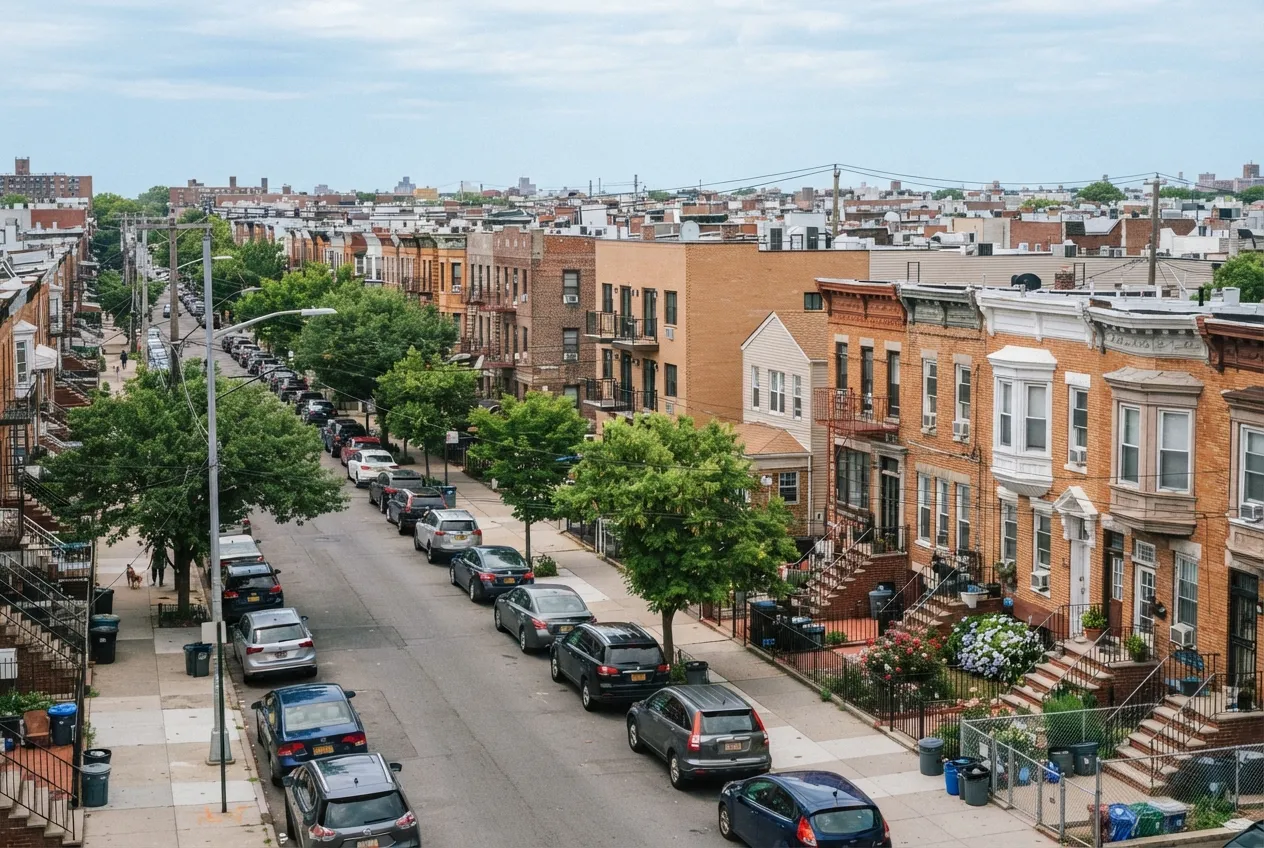
Bath Beach has attached rowhouses, two-family homes, detached houses and pre-war apartment buildings. Many of their chimneys have been venting heating equipment for decades. Clay tiles crack, mortar joints between them wear away, and freeze-thaw cycles open gaps that let exhaust and moisture reach the brick. In some older homes, the flue is bare masonry with no liner at all.
Changes to the heating equipment matter too. A newer furnace, boiler or water heater may produce cooler exhaust and need a smaller flue than the one the house was built with. When a flue is too large, exhaust can cool and condense on the way up, and the appliance may not draft properly. A correctly sized liner fixes that mismatch.
Oil-to-Gas Conversions and Your Liner
Plenty of homes and small buildings in the area have switched, or are planning to switch, from oil heat to gas. In New York City, the chimney has to be evaluated as part of an oil-to-gas boiler conversion. A new liner is often needed because gas exhaust produces acidic condensate that can corrode a masonry flue.
If you are planning a conversion, bring us in early. We can inspect the existing flue and tell you whether a liner will be needed before the new boiler goes in. That helps you and your heating contractor plan the job in the right order.
How We Install a Chimney Liner
Every chimney is a little different, so we start with the flue itself rather than a one-size answer. A typical installation follows these steps:
- Inspect the chimney, including a camera look inside the flue, to check its condition, size and any offsets or obstructions.
- Confirm which appliances vent into the flue and match the liner diameter and material to them.
- Clean the flue and remove loose tile, debris or nesting material so the liner can be run cleanly.
- Install the liner from the top down and connect it to the appliance at the base.
- Fit a top plate and chimney cap to seal the flue and keep out rain and animals.
- Check that the appliance drafts properly once the work is complete.
Choosing the Right Liner Material
Stainless steel liners are the most common choice for gas and oil appliances in Brooklyn homes. Flexible stainless liners can follow slight bends in older chimneys, while rigid sections work well in straight runs. Some masonry chimneys with significant damage call for other approaches, which we discuss after the inspection. We explain what we found and why we recommend a specific material and size, so you understand the decision before any work begins.
Timing, Inspections and the Heat Season
The NFPA 211 standard calls for chimneys, fireplaces and vents to be inspected once a year. When the system changes, for example with a new appliance or a switch of fuel, or when a home is sold, a more detailed Level 2 inspection is the norm. A liner job usually follows one of those inspections.
New York City's heat season runs from October 1 through May 31. If you own a building with tenants, you need heat working throughout that period. Scheduling liner work in late spring or summer gives you room to finish before the cold weather. We also serve nearby Bensonhurst, Dyker Heights, Bay Ridge, Borough Park and Sunset Park.
More services in Bath Beach
- Chimney Sweep in Bath Beach
- Chimney Inspection in Bath Beach
- Chimney Repair in Bath Beach
- Air Duct Cleaning in Bath Beach