
The short answer
Clifton homeowners should have their chimney inspected once a year, as the NFPA 211 standard calls for. A Level 1 inspection covers chimneys that haven't changed. A Level 2 is needed after an oil-to-gas conversion, a new appliance or a fuel switch, or when the home is sold.
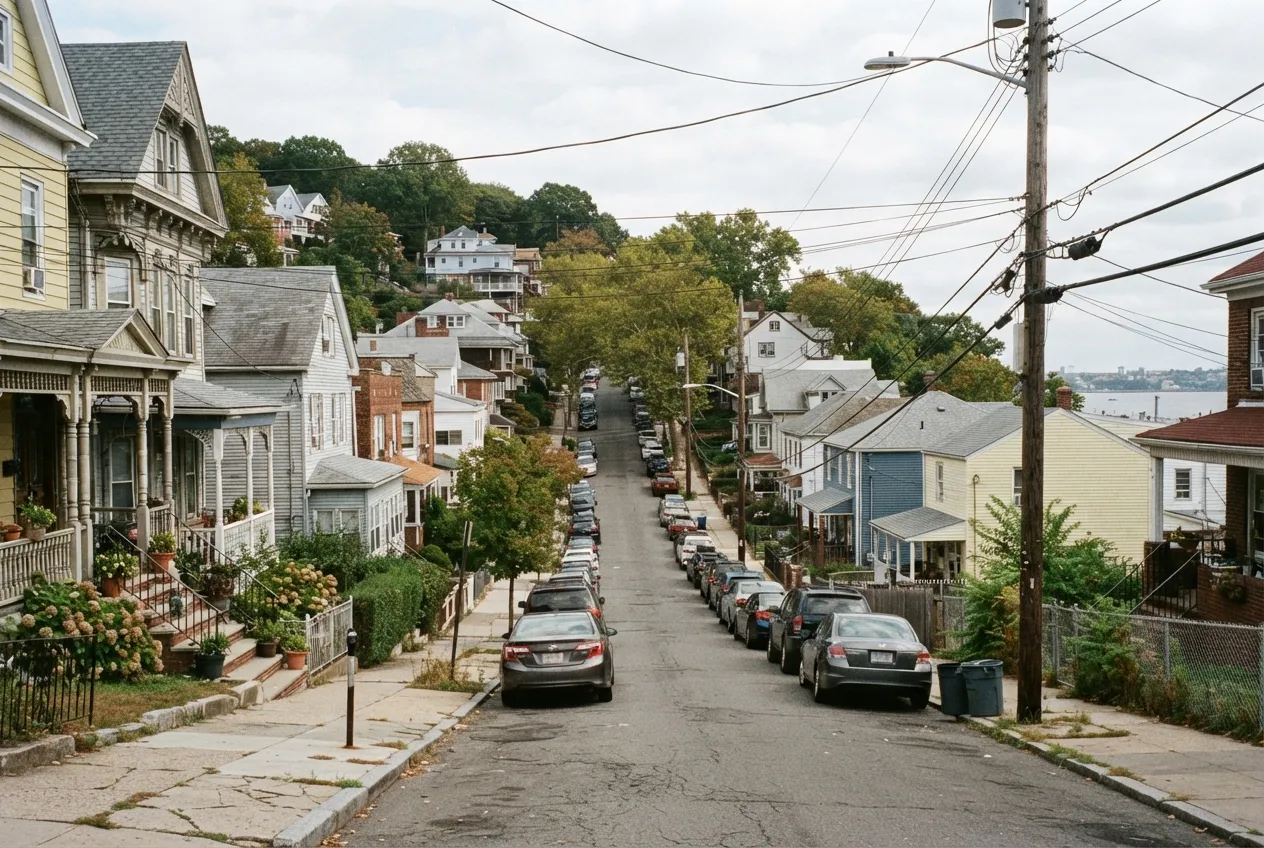
Clifton is a Staten Island neighborhood about 3 miles west of our office in Bay Ridge, Brooklyn, and our certified technicians inspect chimneys there regularly. The neighborhood's mix of older detached homes, attached houses and small apartment buildings means we see everything from original masonry flues to recently relined boiler chimneys. An inspection tells you whether your chimney is safe to use, whether it suits the appliance connected to it, and what needs attention before the next heating season. Here is how it works and when you need one.
Three inspection levels, and which one you need
The NFPA 211 standard calls for chimneys, fireplaces and vents to be inspected once a year. Chimney professionals use three levels of inspection. The right one depends on what has happened to your system since it was last checked.
- Level 1: For a chimney in regular use that hasn't changed. We check the readily accessible parts of the chimney, the flue, the firebox or appliance connection, and look for blockages and buildup.
- Level 2: For when something has changed, such as a new boiler, furnace, water heater or stove, a switch of fuel, or a home sale. This adds a closer look at the flue interior, typically with a camera, plus accessible attics, basements and crawl spaces.
- Level 3: For when a hidden hazard is suspected and the only way to reach it is to open part of the chimney or the building. We recommend this only when earlier findings point to it.
Oil-to-gas conversions and home sales
Many older Staten Island homes and small buildings were built to heat with oil. When a New York City building converts its boiler from oil to gas, the chimney has to be evaluated as part of the work. A new liner is often needed because gas exhaust produces acidic condensate, which can corrode a masonry flue that served an oil burner without trouble.
If you are planning a conversion, have the chimney inspected before the new equipment goes in. That way any liner work can be scheduled with the installation rather than after it. If your conversion was done years ago and you aren't sure the flue was relined, a Level 2 inspection will show what is there.
Buying or selling a house in Clifton also calls for a Level 2. A general home inspector usually looks at the chimney from the outside. Our inspection looks inside the flue, which is where most of the problems that matter to a buyer are found.
What we often find in Clifton-area chimneys
Housing in Clifton and the surrounding neighborhoods is varied. It includes older detached frame and masonry houses, attached homes and rowhouses, and small pre-war apartment buildings. Many chimneys here have been through decades of freeze-thaw winters and damp coastal weather. Common findings include:
We take photos of what we find, so you can see the problem yourself instead of taking our word for it.
- Cracked or missing clay flue tiles in older masonry chimneys
- Loose bricks, eroded mortar joints and cracked crowns at the top of the stack
- Missing or rusted chimney caps that let in rain, birds and debris
- Creosote buildup in fireplace flues used for wood fires
- Deteriorated flues serving gas boilers and water heaters
- Gaps or rust where the appliance connector pipe meets the chimney
Schedule before heat season
New York City's heat season runs from October 1 through May 31. During those months, building owners must keep apartments heated to the city's minimum temperatures. A boiler flue problem in January is more than an inconvenience for them. If you own a two-family house or a small building in Clifton, a late-summer or early-fall inspection gives you time to make repairs before tenants need heat.
Single-family homeowners benefit from the same timing. Fall appointments fill up quickly once the first cold night arrives.
What to expect on inspection day
Our technician will ask how you use the chimney, which appliances vent into it and whether anything has changed. We protect the floor around the fireplace or appliance. We inspect from inside, and from the roof where it can be done safely. Afterward you get a written report that covers the chimney's condition, any hazards, and recommended next steps in order of priority. We don't push repairs you don't need.
Besides Clifton, we inspect chimneys in nearby Tompkinsville, Stapleton, Rosebank, Shore Acres and Park Hill.
More services in Clifton
- Chimney Sweep in Clifton
- Chimney Repair in Clifton
- Air Duct Cleaning in Clifton
- Chimney Liner Installation in Clifton