
The short answer
Rosebank homeowners should have their chimney inspected once a year, as the NFPA 211 standard recommends. A more detailed inspection is needed when you change heating equipment, switch from oil to gas, or buy or sell a home. GoldenFlue's certified technicians handle all three inspection levels.
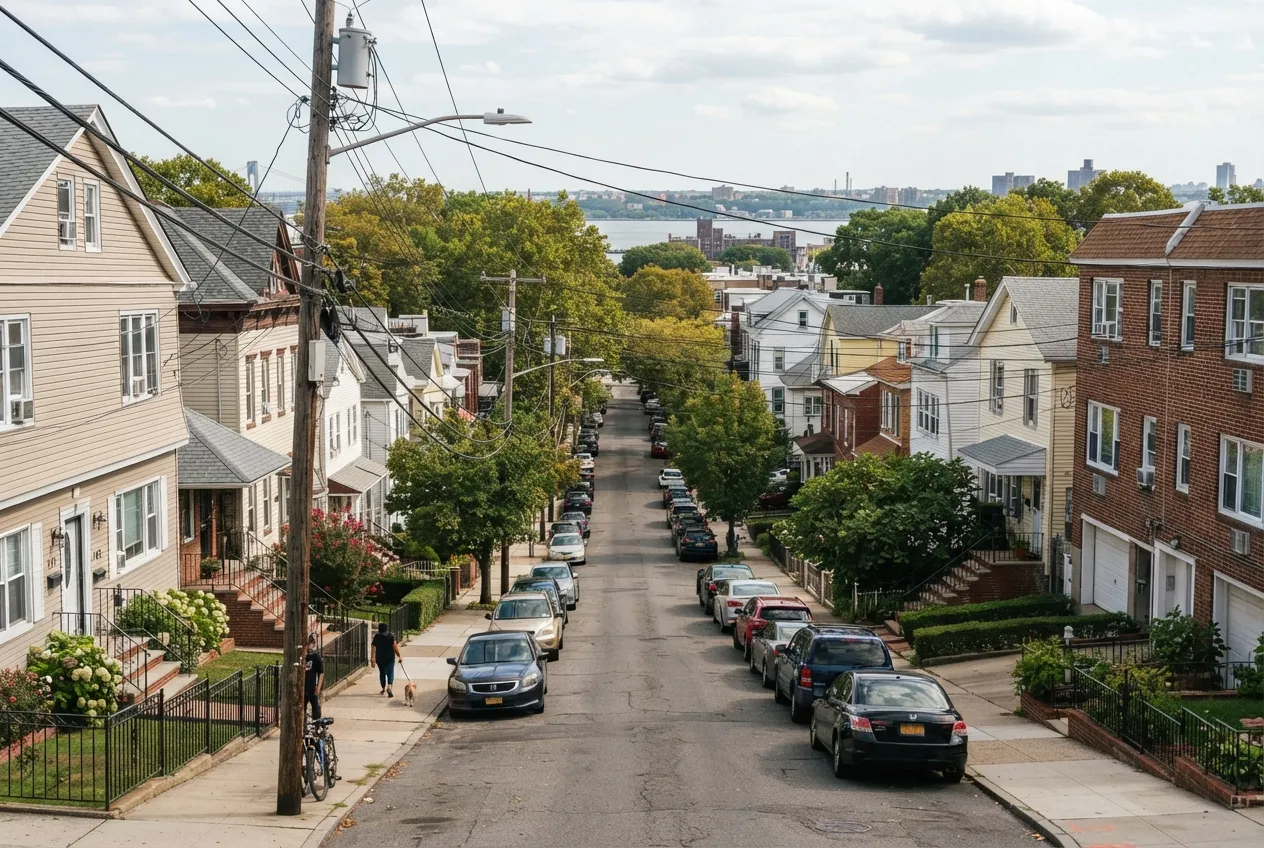
Rosebank's housing is a mix of older detached homes, attached rowhouses and small multifamily buildings, and many of them still rely on masonry chimneys that have outlived several furnaces, boilers and fireplaces. Over the years a chimney can lose mortar, shift its liner or pick up a bird's nest, and none of that is easy to see from the sidewalk. GoldenFlue Chimney Services sends certified technicians from our Bay Ridge, Brooklyn office, about two miles east, to inspect chimneys, fireplaces and appliance vents in Rosebank. We tell you plainly what we found and what, if anything, needs attention.
Why Rosebank Chimneys Need a Yearly Look
The NFPA 211 standard calls for chimneys, fireplaces and vents to be inspected once a year. That applies whether you burn wood in a living room fireplace or your chimney only vents a gas boiler in the basement. Both kinds of flue wear out. Wood fires leave creosote. Gas and oil appliances send moisture and combustion byproducts up the flue, where they can attack mortar and clay liners.
In older Staten Island homes, the chimney is often older than the heating system it serves. A flue built for a coal or oil furnace may not suit a modern high-efficiency appliance. A yearly inspection catches those mismatches before they turn into a blocked flue, water damage or carbon monoxide backing into the house.
The Three Inspection Levels, Explained
Chimney professionals use three levels of inspection. We recommend the one that fits your situation instead of defaulting to the most involved option.
- Level 1: For a chimney whose setup hasn't changed since its last inspection. We check the readily accessible parts of the chimney, fireplace and connections for soundness, blockages and combustible deposits.
- Level 2: Needed when something changes, such as a new furnace or boiler, a switch of fuel, or the sale of the home. It adds a camera inspection inside the flue and a closer look at accessible areas like attics and crawl spaces.
- Level 3: Reserved for cases where a hidden hazard has to be reached by opening part of the chimney or the building. We only recommend it when an earlier inspection points to a problem that can't be confirmed any other way.
Converting From Oil to Gas in Rosebank
Many Staten Island homes and small buildings are switching their boilers from oil to gas. In New York City, the chimney has to be evaluated as part of that conversion. Gas exhaust produces acidic condensate that can corrode an unlined or poorly lined masonry flue, so a new liner is often needed.
We inspect the existing flue, report its condition and size, and explain whether a liner is likely to be required. If you're planning a conversion, schedule the inspection early so the chimney work doesn't hold up the rest of the project.
Inspections for Buying and Selling a Home
A home sale is one of the situations that calls for a Level 2 inspection. A general home inspector usually looks at the chimney from the outside and the firebox from the inside, but can't see the full length of the flue. Our camera inspection shows cracked tiles, gaps in the liner and old damage that a quick look would miss. Buyers get a clearer picture before closing, and sellers can address issues on their own schedule rather than mid-negotiation.
Timing Around Heat Season
New York City's heat season runs from October 1 through May 31. During that stretch, owners of buildings with rental apartments must keep units heated to the city's minimum temperatures. That makes a failed chimney in midwinter more than an inconvenience. For owner-occupied homes and multifamily buildings alike, late spring through early fall is the easiest time to inspect, because the boiler can be shut down and any repairs can be finished before the heat goes back on.
We also serve nearby Shore Acres, Park Hill, Tompkinsville, Stapleton and Clifton, so neighbors on the North Shore can often book around the same days.
More services in Rosebank
- Chimney Sweep in Rosebank
- Chimney Repair in Rosebank
- Air Duct Cleaning in Rosebank
- Chimney Liner Installation in Rosebank