
The short answer
A Rosebank chimney usually needs a new liner when the old clay tile is damaged, when the heating system changes, or when a building converts from oil to gas. GoldenFlue inspects the flue, sizes a liner to your appliance and installs it so exhaust vents safely through the masonry.
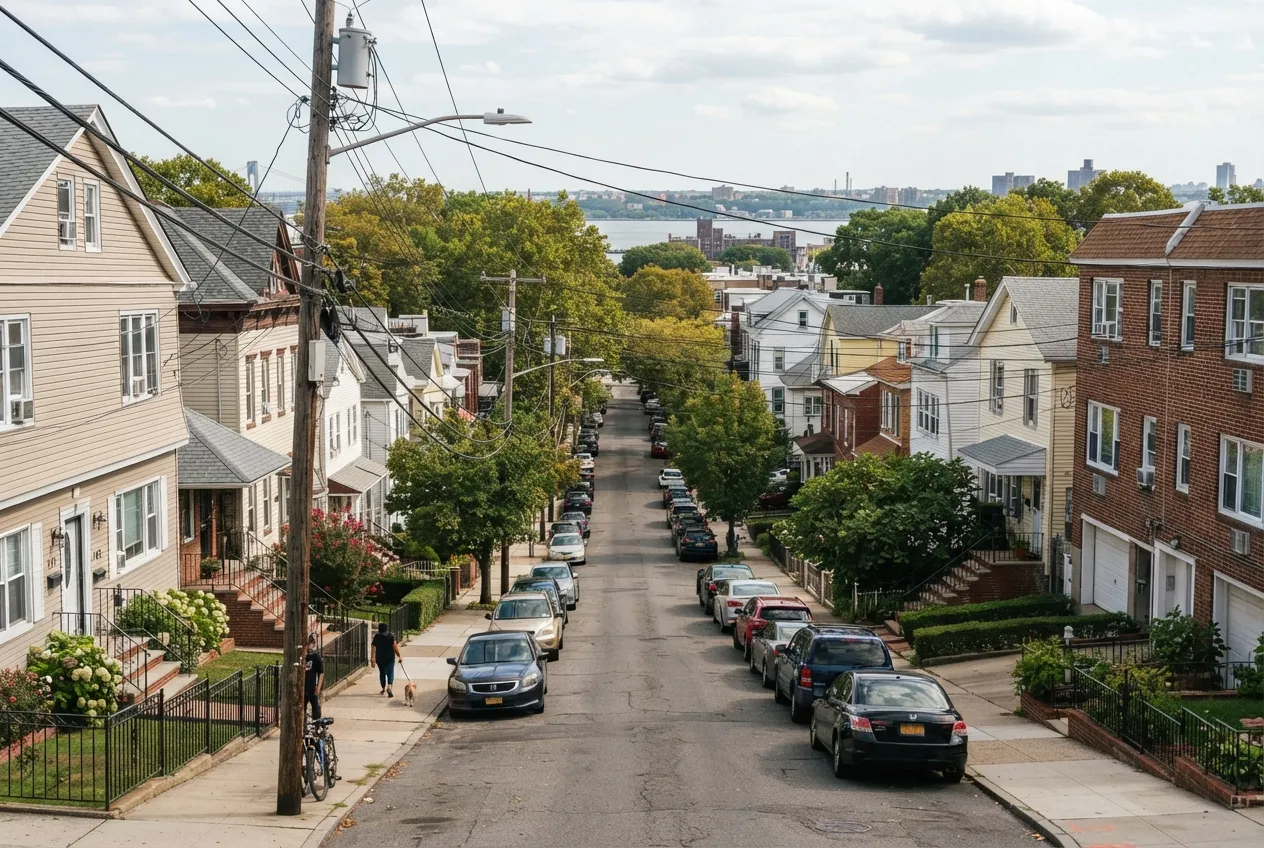
GoldenFlue Chimney Services installs chimney liners for homes and small buildings in Rosebank, about 2 miles west of our office in Bay Ridge, Brooklyn. Much of the housing here is older: detached houses, attached rowhouses and some pre-war apartment buildings with masonry chimneys built long before today's boilers, furnaces and water heaters. A liner is the channel inside the chimney that carries exhaust up and out while protecting the brick around it. When the original clay tile is cracked, missing or the wrong size for the appliance it now serves, a new liner is usually the fix. Our certified technicians handle the evaluation, sizing and installation from start to finish.
Signs a Rosebank Chimney Needs a New Liner
Many older Staten Island chimneys were built with clay tile liners, and some were built with no liner at all. Decades of heat, moisture and freeze-thaw cycles can crack the tiles, open the joints between them or let pieces fall into the chimney base. Exhaust can then reach the brick and mortar and, in the worst cases, work its way into the house.
These are common reasons homeowners call us about a liner:
- An inspection found cracked, shifted or missing flue tiles
- Pieces of tile or crumbling mortar showing up at the chimney base or cleanout
- A new boiler, furnace or water heater that needs a different flue size
- A switch from oil to gas heat
- Water stains, damp spots or white staining on walls next to the chimney
- A fireplace that has not been used in years and needs to be made safe before use
Oil-to-Gas Conversions and Chimney Liners
Plenty of Rosebank homes and buildings still have oil-fired boilers, and many owners are switching to gas. When a New York City building converts its boiler from oil to gas, the chimney has to be evaluated as part of the work. A new liner is often needed because gas exhaust produces acidic condensate that can corrode a masonry flue over time.
A change like this is also why the chimney should get a Level 2 inspection. The NFPA 211 standard calls for chimneys, fireplaces and vents to be inspected once a year, and chimney professionals use a Level 2 inspection whenever the system changes, such as a new appliance or a switch of fuel. We can coordinate with your heating contractor so the liner is ready when the new equipment goes in.
Choosing the Right Liner for Your Chimney
There is no one-size liner. The right choice depends on the appliance, the fuel and the shape of the chimney. For most gas and oil boilers, furnaces and water heaters, we install stainless steel liners sized to the appliance's venting needs. A flue that is too large can let exhaust cool and condense. A flue that is too small can restrict draft.
Older chimneys in Rosebank often have offsets, tight spots or uneven interiors, so we measure carefully before recommending a flexible or rigid liner. If a wood-burning fireplace shares the chimney or has its own flue, we treat it separately, because wood fires have different heat and venting requirements than a boiler.
What Installation Looks Like
Most liner jobs follow the same basic steps, though the details depend on the chimney's condition and how easy the roof is to reach.
- Inspect the chimney, including a camera look inside the flue
- Clean the flue and remove loose or broken tile where needed
- Measure the flue and confirm the appliance's venting requirements
- Lower the liner from the top and connect it to the appliance at the base
- Install a top plate and chimney cap to keep out rain and animals
- Test the draft and walk you through what was done
Planning Around the Heating Season
New York City's heat season runs from October 1 through May 31, when building owners must keep apartments heated to the city's minimum temperatures. If you own a multi-family house or a pre-war apartment building in Rosebank, a liner job on the boiler chimney needs to be planned so tenants are not left without heat. Late spring and summer are the easiest times for this work, but we can also schedule during the colder months and coordinate the timing with your heating contractor.
We also serve nearby Shore Acres, Park Hill, Tompkinsville, Stapleton and Clifton, so neighbors facing the same conversion or repair can usually get on the schedule as well.
More services in Rosebank
- Chimney Sweep in Rosebank
- Chimney Inspection in Rosebank
- Chimney Repair in Rosebank
- Air Duct Cleaning in Rosebank