
The short answer
The NFPA 211 standard calls for chimneys, fireplaces and vents to be inspected once a year. That includes Stapleton chimneys that only vent a boiler or water heater. GoldenFlue's certified technicians perform Level 1, 2 and 3 inspections and explain exactly what they find.
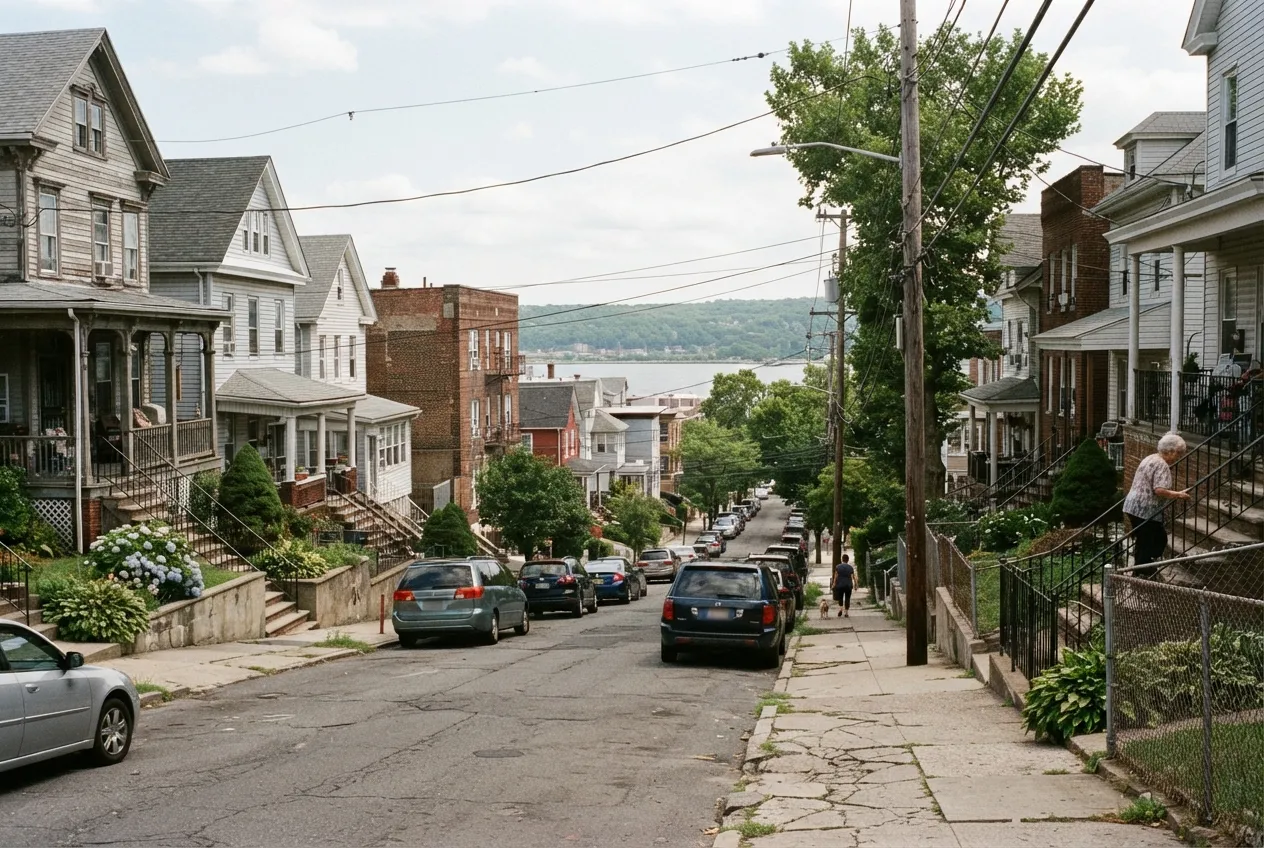
Stapleton has a mix of older detached homes, rowhouses and pre-war apartment buildings. Many of them still rely on masonry chimneys that have vented fireplaces, boilers and water heaters for decades. A chimney inspection tells you whether that flue is safe to use right now and what, if anything, needs attention. GoldenFlue Chimney Services sends certified technicians to Stapleton from our office in Bay Ridge, Brooklyn, about 3 miles away. We inspect chimneys for homeowners and building owners, explain what we find in plain terms, and leave the decisions to you.
How Often a Chimney Should Be Inspected
The NFPA 211 standard calls for chimneys, fireplaces and vents to be inspected once a year. That applies whether you burn wood every weekend or only use the chimney to vent a gas boiler. Chimney professionals use three levels of inspection. The right one depends on what has changed with your system.
- Level 1: For a chimney in regular use where nothing has changed. We check the accessible parts of the chimney, the firebox or appliance connection, and the flue for blockages and buildup.
- Level 2: For when the system changes, such as a new appliance or a switch of fuel, or when the home is sold. This goes further and typically includes a camera inspection of the flue interior and a look at accessible areas like attics and basements.
- Level 3: For when a hidden hazard has to be reached by opening part of the chimney or building. We only recommend this when earlier findings point to it, and we explain why before any work begins.
What We Look For in Stapleton Homes
Many Stapleton houses were built long before modern liners and venting practices. Their chimneys have been through decades of freeze-thaw cycles, wet weather and changing heating equipment. Problems often stay hidden until something goes wrong, so we look at the whole system, from the appliance connection to the top of the chimney.
In pre-war apartment buildings and multi-family houses, a single chimney may serve the boiler and water heater for every unit. A problem in that one flue can affect every household in the building.
- Cracked, shifted or missing flue tiles
- Creosote and soot buildup in fireplace flues
- Loose or deteriorated mortar joints and flaking brick
- Damaged crowns, caps or flashing that let water in
- Debris, animal nests or other blockages
- Rusted, loose or poorly pitched connector pipes from boilers and water heaters
Converting From Oil to Gas
Some Stapleton homes and small buildings still heat with oil. When a New York City building converts its boiler from oil to gas, the chimney has to be evaluated as part of the work. A new liner is often needed. Gas exhaust produces acidic condensate that can corrode a masonry flue that handled oil without trouble.
If you are planning a conversion, we perform a Level 2 inspection and report on whether the existing flue is suitable. You and your heating contractor can then plan the job with accurate information instead of finding out partway through.
Timing Your Inspection Around Heat Season
New York City's heat season runs from October 1 through May 31. During those months, building owners must keep apartments heated to the city's minimum temperatures. If you own a building with tenants, finding a chimney problem in January can leave you with few good options.
Scheduling your inspection in late summer or early fall leaves time to handle any cleaning or repairs before the boiler runs hard. The same logic applies to single-family homeowners who want their fireplace ready for the first cold night.
What to Expect During the Visit
Our technician protects the area around your fireplace or appliance before starting. Then they work through the inspection level that fits your situation. We take photos of anything that needs attention so you can see what we see.
Afterward, we walk you through the findings and give you a written summary. If the chimney is in good shape, we tell you that. If it needs cleaning or repair, we explain what and why, and you decide what happens next. We also serve the nearby neighborhoods of Tompkinsville, Clifton, Rosebank, Shore Acres and Park Hill.
More services in Stapleton
- Chimney Sweep in Stapleton
- Chimney Repair in Stapleton
- Air Duct Cleaning in Stapleton
- Chimney Liner Installation in Stapleton