
The short answer
If your Stapleton chimney liner is cracked, missing or wrong for your current appliance, a new liner keeps heat and exhaust contained and away from your home's structure. GoldenFlue inspects the flue first, then installs a liner matched to your fuel and appliance, which is especially important after an oil-to-gas conversion.
A chimney liner is the protective channel inside your flue that carries smoke and exhaust gases up and out of your home. When it cracks, crumbles or no longer matches the appliance it serves, heat and combustion byproducts can reach the brick and the wood framing around it. GoldenFlue Chimney Services installs new chimney liners for homes and buildings in Stapleton, about 3 miles west of our Bay Ridge, Brooklyn office. Our certified technicians start by inspecting the flue you have, then recommend a liner sized and built for the boiler, furnace, water heater, fireplace or stove that actually uses it.
Why Stapleton Chimneys Often Need a New Liner
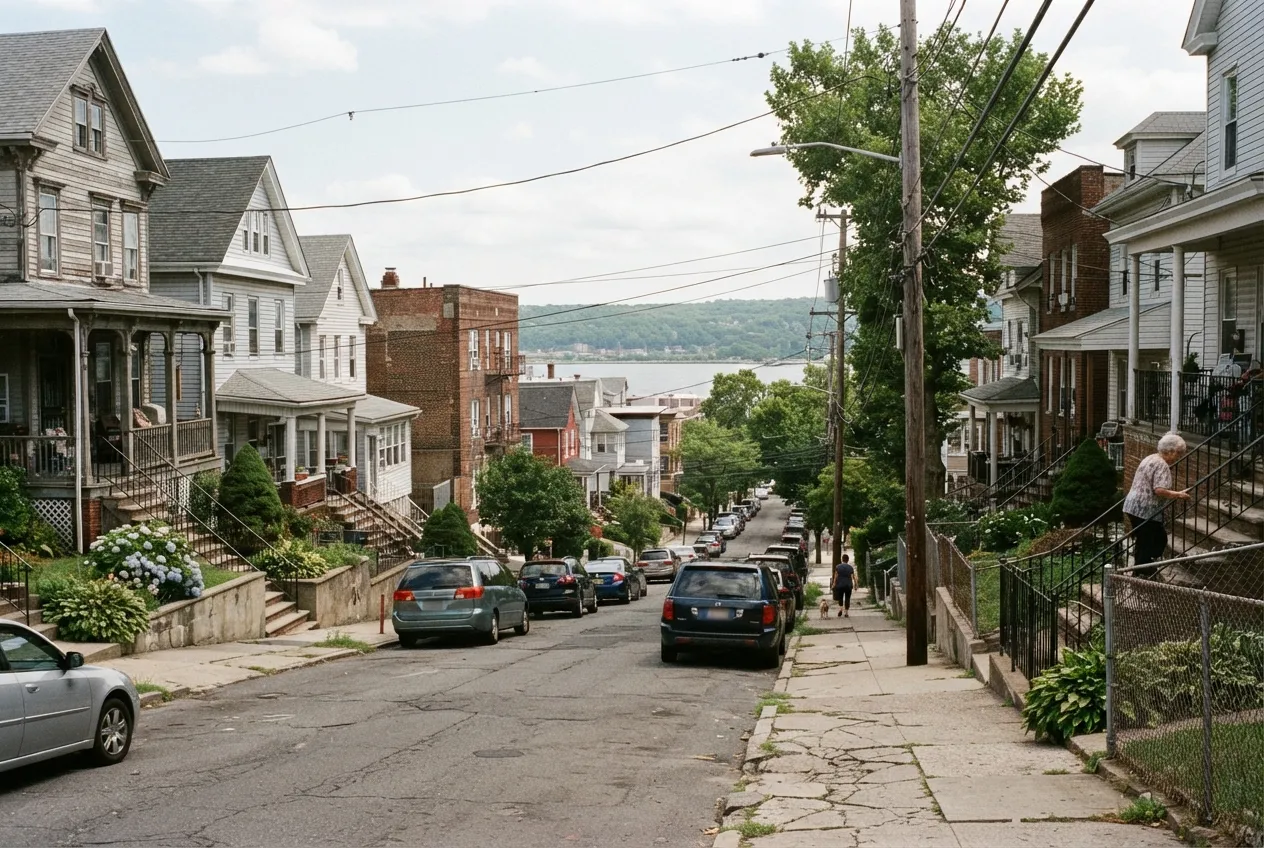
Stapleton has a wide mix of housing: older detached frame homes, attached rowhouses, multi-family houses and pre-war apartment buildings. Many of these chimneys were built with clay tile liners or with no liner at all. Over decades of freeze-thaw cycles, settling and heating seasons, clay tiles can crack, joints can open and mortar can wash out.
Other liners were simply designed for a different era. A flue built for a coal or oil boiler may be far too large for a modern high-efficiency gas appliance, which can cause poor draft, condensation inside the chimney and exhaust that lingers instead of venting. A new liner corrects the size and gives the gases a smooth, sealed path to the top of the chimney.
Relining After an Oil-to-Gas Conversion
Many Staten Island homeowners and building owners are replacing oil-fired boilers with gas equipment. In New York City, when a building converts its boiler from oil to gas, the chimney has to be evaluated as part of the work. A new liner is often needed because gas exhaust produces acidic condensate that can corrode a masonry flue over time.
If you are planning a conversion, bring us in early. We can inspect the existing flue, tell you whether relining is likely and coordinate timing with your heating contractor so the chimney is ready when the new equipment is.
How We Install a Chimney Liner
Every job starts with an inspection, not a sales pitch. The NFPA 211 standard describes a Level 2 inspection when a heating system changes, such as a new appliance or a switch of fuel, or when a home is sold. That is usually the right starting point before relining.
- Inspect the chimney and flue, including a camera inspection of the interior, and note cracks, gaps, blockages and existing liner condition.
- Confirm the appliance or appliances connected to the flue and the size liner they need.
- Clean the flue so the new liner goes into a clear channel.
- Install the liner from the top of the chimney, connect it at the appliance and seal the connections.
- Fit a proper top plate and chimney cap to keep out rain, debris and animals.
- Walk you through what we found and what we installed, with photos when possible.
Choosing the Right Liner for Your Home
There is no single liner that fits every Stapleton chimney. The right choice depends on the fuel you burn, the shape and condition of the existing flue and how many appliances share it. Common options include:
- Stainless steel liners, rigid or flexible, which work well for gas and oil boilers, furnaces and water heaters and can fit offset or uneven flues.
- Insulated stainless liners for wood-burning fireplaces and stoves, where higher temperatures call for extra protection.
- Cast-in-place liners, which form a new lining inside a deteriorated masonry flue and can add strength to an older chimney.
- Aluminum liners for certain gas appliances where the manufacturer allows them.
Timing Your Liner Work Around Heat Season
New York City's heat season runs from October 1 through May 31, when building owners must keep apartments heated to the city's minimum temperatures. For landlords and owners of multi-family homes in Stapleton, a failed flue in mid-winter can mean a shut-down boiler and cold tenants. Scheduling relining in late spring or summer gives everyone more flexibility.
Once your new liner is in, keep up with yearly inspections. NFPA 211 calls for chimneys, fireplaces and vents to be inspected once a year, and a quick Level 1 inspection is usually enough when nothing about the system has changed. We also serve nearby Tompkinsville, Clifton, Rosebank, Shore Acres and Park Hill.
More services in Stapleton
- Chimney Sweep in Stapleton
- Chimney Inspection in Stapleton
- Chimney Repair in Stapleton
- Air Duct Cleaning in Stapleton