
The short answer
Chimneys, fireplaces, and vents in Tompkinsville homes should be inspected once a year, as the NFPA 211 standard calls for. Most homes need a Level 1 inspection. A Level 2 is needed after a change such as an oil-to-gas conversion or a home sale.
A chimney can look fine from the sidewalk and still have cracked flue tiles, loose mortar, or a liner that no longer fits the appliance it serves. GoldenFlue Chimney Services inspects chimneys, fireplaces, and vents for homeowners in Tompkinsville. Our office is in Bay Ridge, Brooklyn, about 3 miles east, so this part of Staten Island's North Shore is a regular stop for our certified technicians. This page explains what a chimney inspection covers, which level of inspection fits your situation, and when to schedule one.
Why Tompkinsville Chimneys Need a Yearly Look
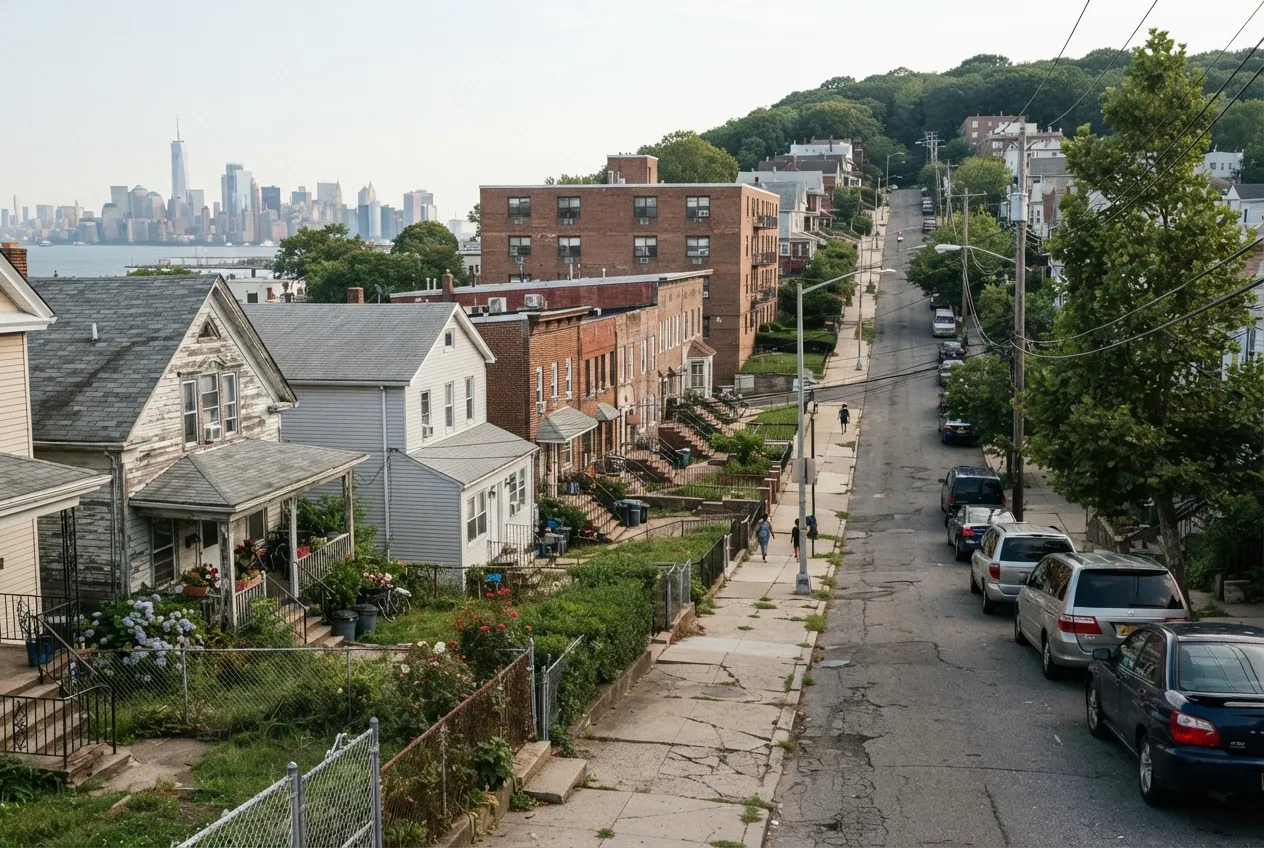
Tompkinsville has a mix of older rowhouses, detached frame homes, and pre-war apartment buildings. Many of these chimneys were built for coal or oil and have been through decades of freeze-thaw cycles, salt air, and changes in heating equipment. Masonry ages slowly and often out of sight. Water gets in through a worn crown or a gap in the flashing, mortar joints soften, and flue tiles crack where nobody can see them.
The NFPA 211 standard calls for chimneys, fireplaces, and vents to be inspected once a year. That applies whether you burn wood in a fireplace a few times each winter or your chimney only vents a gas boiler or water heater. Gas appliances don't make soot the way wood does, but their exhaust still needs a clear, sound path out of the house.
Choosing the Right Inspection Level
Chimney professionals use three inspection levels. The right one depends on what has happened with your home and heating system since the last inspection. We'll tell you which level we recommend before we start, and why.
- Level 1: For chimneys where nothing has changed. We check the accessible parts of the chimney, the firebox or appliance connection, and the flue for blockages, buildup, and visible damage.
- Level 2: For when the system changes, such as a new boiler or furnace or a switch from oil to gas, or when the home is being sold. This includes everything in a Level 1 plus a closer look at the flue interior, typically with a camera, and at accessible areas such as the attic and basement.
- Level 3: For when a hidden hazard has to be reached by opening part of the chimney or building. This is only recommended when an earlier inspection points to a problem that can't be confirmed any other way.
Converting From Oil to Gas
Many older Staten Island homes and buildings are moving from oil heat to gas. In New York City, the chimney has to be evaluated as part of an oil-to-gas boiler conversion. A new liner is often needed because gas exhaust produces acidic condensate that can corrode a masonry flue. An old clay-tile flue sized for an oil burner may also be the wrong size for a modern gas appliance.
If you're planning a conversion, schedule the chimney inspection early. Your heating contractor's plans and our findings on the flue need to line up before the new equipment goes in.
What We Check During an Inspection
Every inspection covers the full path the smoke or exhaust takes, from where it's produced to where it leaves the roof. You get a plain-language explanation of what we found, with photos where they help.
- Chimney crown, cap, and flashing for cracks, gaps, and water entry
- Exterior brick and mortar joints for spalling and deterioration
- Flue liner condition, size, and any blockages from debris or animal nests
- Creosote or soot buildup in wood-burning flues
- Damper, smoke chamber, and firebox in fireplaces
- Connector pipes from boilers, furnaces, and water heaters
- Clearances between the chimney and nearby wood framing where accessible
When to Schedule in Tompkinsville
New York City's heat season runs from October 1 through May 31. Building owners must keep apartments heated to the city's minimum temperatures during that time. If you own a multi-unit building, the safest time to find and fix a flue problem is before October, when a repair won't leave tenants without heat. For single-family homes, late spring and summer are also a good time to book, because appointments are easier to get before the fall rush.
Along with Tompkinsville, we inspect chimneys in nearby Stapleton, Clifton, Rosebank, Shore Acres, and Park Hill.
More services in Tompkinsville
- Chimney Sweep in Tompkinsville
- Chimney Repair in Tompkinsville
- Air Duct Cleaning in Tompkinsville
- Chimney Liner Installation in Tompkinsville