
The short answer
The NFPA 211 standard calls for chimneys, fireplaces and vents to be inspected once a year, and that applies to Park Hill homes and buildings whether they burn wood, oil or gas. GoldenFlue's certified technicians perform Level 1, 2 and 3 inspections and explain which one your situation calls for.
If you heat with a fireplace, a wood stove, or an oil or gas boiler in Park Hill, your chimney carries exhaust out of the house every day of the heating season. GoldenFlue Chimney Services inspects chimneys in Park Hill and throughout this part of Staten Island. Our certified technicians check the flue, liner, smoke chamber, damper, crown and cap, then explain what they found in plain terms. Our office is in Bay Ridge, Brooklyn, about 2 miles east, so booking a visit is simple.
Why Park Hill Chimneys Need a Yearly Look
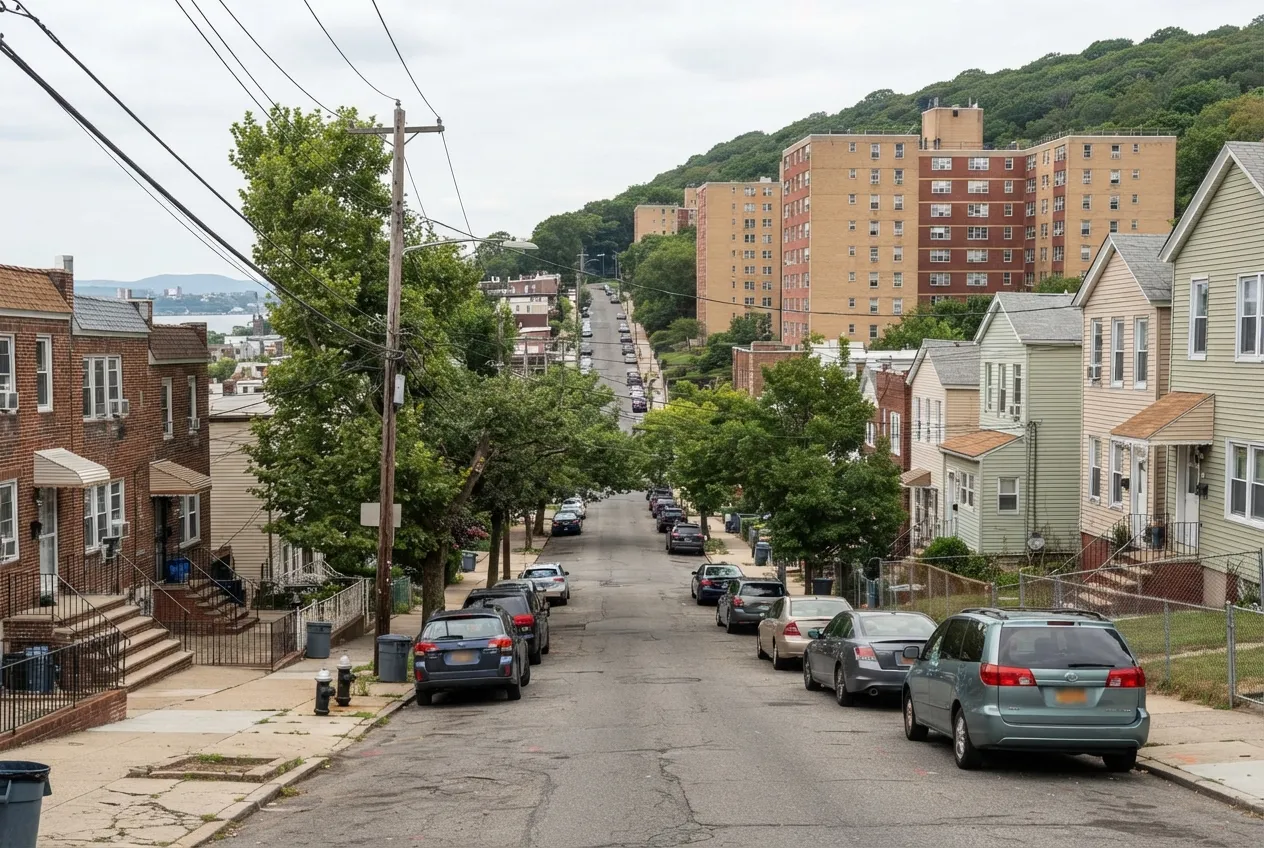
Park Hill has a mix of housing: apartment buildings, attached houses and detached single-family homes. Many of them are older and have masonry chimneys that serve boilers, furnaces or water heaters as well as fireplaces. A chimney can look fine from the sidewalk and still have problems inside. Cracked flue tiles, loose mortar joints, a corroded liner or a blocked cap can let exhaust and heat go where they shouldn't.
The NFPA 211 standard calls for chimneys, fireplaces and vents to be inspected once a year. A yearly inspection gives you a record of the chimney's condition and catches small problems before they get worse. New York City's heat season runs from October 1 through May 31, so late summer and early fall is a practical time to schedule. That way any repair can be finished before the heat is running steadily.
Which Inspection Level Do You Need?
Chimney professionals use three inspection levels. We'll tell you which one fits your home and why before any work begins.
- Level 1: For a chimney that has been in regular use with no changes. We examine the accessible parts of the chimney interior and exterior, the appliance connection and the basic structure, and check for blockages and buildup.
- Level 2: Needed when something changes, such as a new heating appliance, a switch of fuel, or a sale of the home. It includes everything in Level 1 plus a video scan of the flue and a look at accessible areas such as attics and crawl spaces.
- Level 3: Used when a hidden hazard has to be reached by opening part of the chimney or building. This is less common and is recommended only when earlier findings point to a concealed problem.
Oil-to-Gas Conversions and Chimney Liners
Some Park Hill buildings and homes still heat with oil, and many owners are weighing a switch to gas. When a New York City building converts its boiler from oil to gas, the chimney has to be evaluated as part of the work. A new liner is often needed because gas exhaust produces acidic condensate that can corrode a masonry flue.
A change of fuel is also one of the situations that calls for a Level 2 inspection. If you are planning a conversion, bring us in early. We can document the flue's current condition and tell you whether a liner is likely to be needed, so it doesn't come as a surprise late in the project.
What Our Technicians Check
Every inspection follows the same careful process, whether it's a fireplace in a detached house or a boiler flue serving several apartments.
- Flue liner condition, including cracks, gaps and missing sections
- Creosote or soot buildup and any blockages from debris or nests
- Smoke chamber, smoke shelf and damper operation
- Crown, cap and flashing, where water often gets in
- Exterior brick and mortar joints
- Connections from the boiler, furnace, water heater or stove to the chimney
- Clearance from the chimney to nearby wood framing where it can be seen
Serving Park Hill and Nearby Staten Island Neighborhoods
Along with Park Hill, we inspect chimneys in Rosebank, Shore Acres, Tompkinsville, Stapleton and Clifton. Homes across these neighborhoods often have older masonry chimneys and heating systems that have been updated over time, which is exactly when a careful inspection matters most.
After the visit, you'll get a clear explanation of what we found, with photos or video where they help. If cleaning or repair is needed, we'll explain what it involves and why, so you can decide on your next step.
More services in Park Hill
- Chimney Sweep in Park Hill
- Chimney Repair in Park Hill
- Air Duct Cleaning in Park Hill
- Chimney Liner Installation in Park Hill