
The short answer
Park Hill homes and buildings often need a new chimney liner after a boiler converts from oil to gas, when an old clay flue cracks, or when a new appliance is installed. GoldenFlue inspects the existing flue, matches a liner to your appliance and chimney, and installs it so exhaust vents safely.
A chimney liner is the protective channel inside your chimney that carries smoke and exhaust gases up and out of the house. When the liner is cracked, missing, or the wrong type for your heating appliance, those gases and their heat can reach the masonry and the building around it. GoldenFlue Chimney Services installs chimney liners for homes and buildings in Park Hill, Staten Island, about two miles west of our Bay Ridge, Brooklyn office. Our certified technicians evaluate the flue first, explain what we find, and recommend a liner sized and built for the appliance it serves.
Why Park Hill Chimneys Need Attention
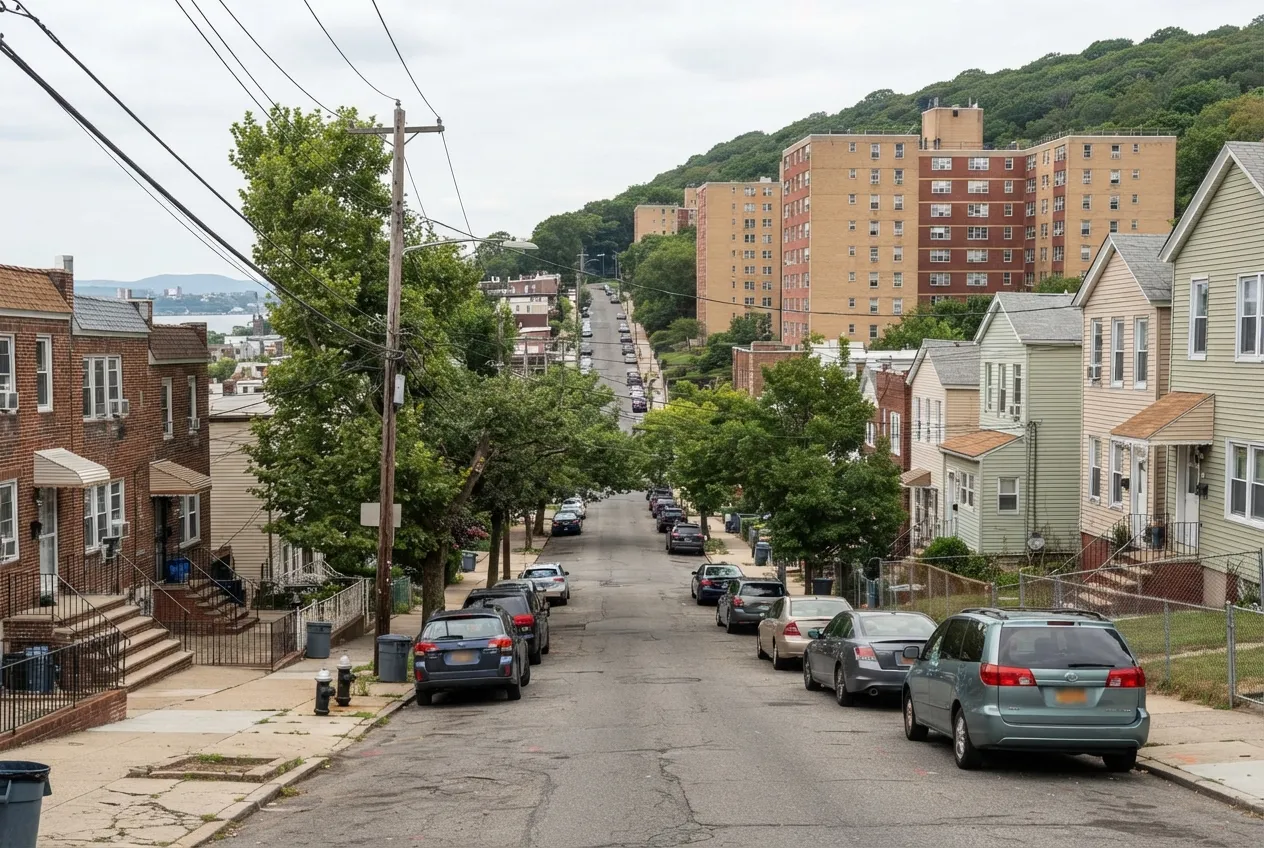
Park Hill has a mix of housing, from detached homes and attached rowhouses to larger multi-family and pre-war apartment buildings. Many of these chimneys were built with clay tile flues, or with no liner at all, for appliances that have since been replaced. Over decades, heat cycles, moisture, and freeze-thaw weather can crack tiles, wear down mortar joints, and leave gaps that let exhaust reach the brick.
A damaged or mismatched flue does not always show signs from inside the house. Common clues include flaking or crumbling tile at the base of the chimney, water stains near the chimney, poor draft, or an inspection report that flags the flue. If any of these apply to your home, a liner evaluation is a sensible next step.
Oil-to-Gas Conversions and Relining
Many New York City buildings have switched boilers from oil to gas. When that happens, the chimney has to be evaluated as part of the work, and a new liner is often needed. Gas exhaust produces acidic condensate, and that moisture can corrode a masonry flue that held up fine for years under oil heat.
We coordinate with your heating contractor so the liner matches the new boiler or water heater. That includes checking the flue size, the route of the connector pipe, and how the liner terminates at the top of the chimney. Planning the liner alongside the conversion helps avoid delays once the new equipment is ready to run.
Choosing the Right Liner for Your Home
There is no single liner that fits every chimney. The right choice depends on the appliance, the fuel, the size and shape of the existing flue, and the condition of the masonry. We walk you through the options that make sense for your system and explain the reasons behind our recommendation.
- Stainless steel liners for gas and oil boilers, furnaces, and water heaters, sized to the appliance's venting needs
- Insulated stainless liners for wood stoves and inserts, where higher temperatures call for added protection
- Liners for fireplaces where the original clay tiles are cracked or missing
- Cast-in-place liners in some masonry chimneys where the flue also needs structural reinforcement
- Proper caps and top plates to keep rain, debris, and animals out of the new liner
What Installation Involves
Every job starts with an inspection. The NFPA 211 standard calls for chimneys to be inspected once a year, and it describes a more detailed Level 2 inspection when the system changes, such as a new appliance or a switch of fuel. Liner work usually falls into that category, so we look closely at the full length of the flue, often with a camera, before recommending anything.
On installation day, we protect the work area, clean the flue so the liner can pass through, and lower the liner from the roof. We connect it to the appliance, seal the top, and install a cap. Before we leave, we review the work with you and point out anything else we noticed about the chimney's condition.
Timing Your Liner Work Around Heat Season
New York City's heat season runs from October 1 through May 31, when building owners must keep apartments heated to the city's minimum temperatures. For multi-family buildings and owner-occupied homes with tenants, it usually works best to handle liner installation in late spring or summer, before the heating system has to run full time.
If a problem turns up during the colder months, we will explain what can be done and how to plan the work so heat is restored safely. Besides Park Hill, we install chimney liners in nearby Rosebank, Shore Acres, Tompkinsville, Stapleton, and Clifton.
More services in Park Hill
- Chimney Sweep in Park Hill
- Chimney Inspection in Park Hill
- Chimney Repair in Park Hill
- Air Duct Cleaning in Park Hill