
The short answer
The NFPA 211 standard calls for chimneys, fireplaces and vents to be inspected once a year, and the right inspection level depends on whether anything about your heating system or home has changed. In Sunset Park, a good time to schedule is before New York City's heat season starts on October 1, especially if your building has converted from oil to gas.
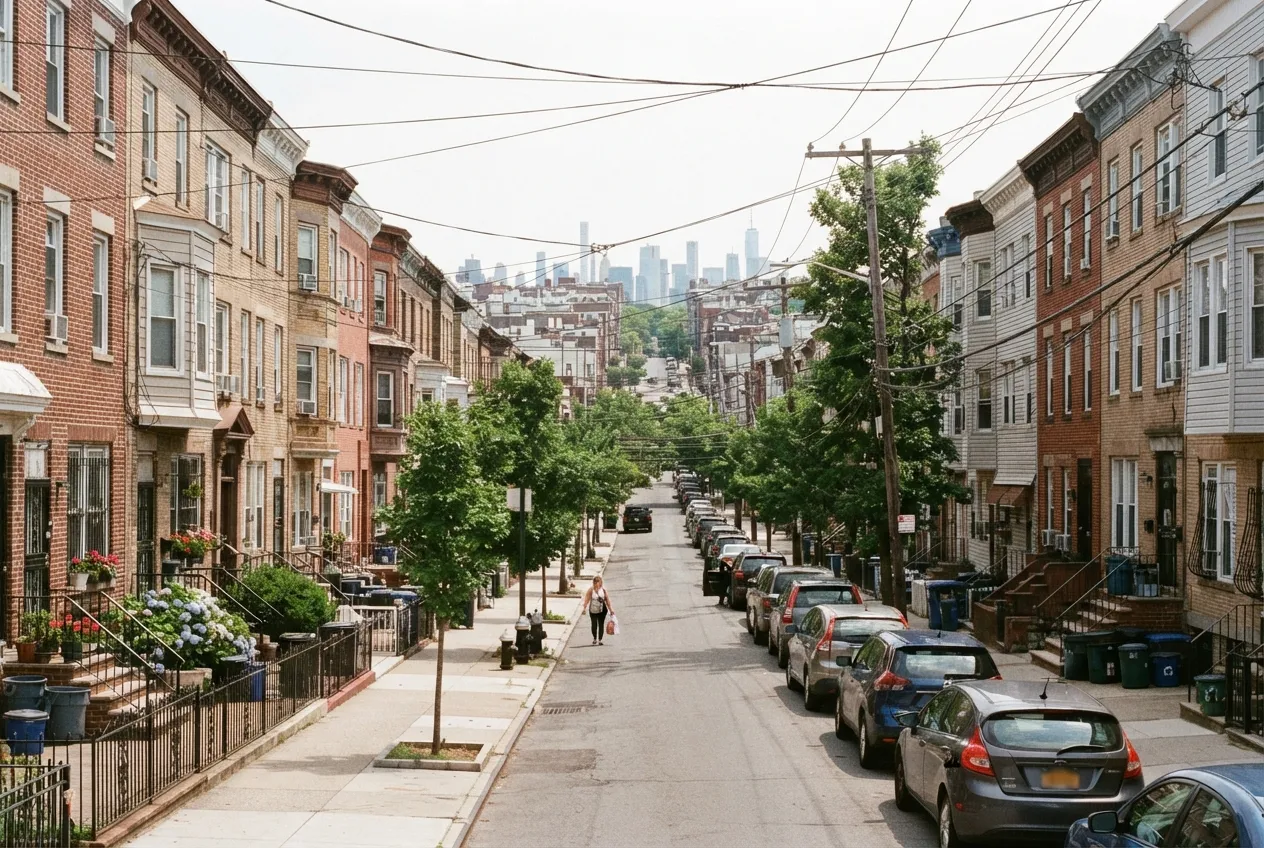
Most chimneys in Sunset Park have been in service for a long time. The neighborhood's brick rowhouses, brownstones, frame homes and pre-war apartment buildings often have masonry flues that have vented oil, gas and sometimes wood heat for generations, and many have been through at least one boiler or furnace replacement. A chimney inspection tells you what condition that flue is in today: whether it is clear, whether the liner is intact, and whether the venting still fits the appliances connected to it. GoldenFlue Chimney Services is based in Bay Ridge, about two miles southwest of Sunset Park, and our certified technicians inspect chimneys for homeowners and building owners throughout ZIP codes 11220 and 11232.
Why a Yearly Inspection Makes Sense in Sunset Park
The NFPA 211 standard calls for chimneys, fireplaces and vents to be inspected once a year. That applies whether you burn wood in a parlor fireplace or your chimney only vents a gas boiler in the basement. Problems inside a flue are usually invisible from the street or the living room, and an older masonry chimney can look solid from the outside while its liner is cracked or its mortar is breaking down inside.
Timing matters here. New York City's heat season runs from October 1 through May 31, and building owners must keep apartments heated to the city's minimum temperatures during that period. If you own a two- or three-family rowhouse or a small apartment building with tenants, finding a venting problem in mid-January can leave you scrambling. Scheduling your inspection in late summer or early fall gives you time to handle any repairs before the boiler is running every day.
Which Inspection Level Your Chimney Needs
Chimney professionals use three inspection levels. We will recommend the one that fits your situation and explain why before any work begins.
- Level 1: For chimneys where nothing has changed since the last inspection. We check the readily accessible parts of the chimney, the flue and the connected appliance for soundness, blockages and buildup.
- Level 2: For homes where the system has changed, such as a new boiler, water heater or furnace, or a switch from oil to gas. A Level 2 inspection is also called for when a home is sold, which is common for Sunset Park rowhouses changing hands.
- Level 3: For cases where a hidden hazard has to be reached by opening part of the chimney or the building. This is only recommended when an earlier inspection points to a problem that cannot be evaluated any other way.
Oil-to-Gas Conversions and Flue Liners
Many Sunset Park buildings that once burned heating oil have switched, or are planning to switch, to natural gas. When a New York City building converts its boiler from oil to gas, the chimney has to be evaluated as part of that work. A new liner is often needed, because gas exhaust produces acidic condensate that can corrode an unlined or poorly lined masonry flue over time.
If your building converted years ago and nobody looked at the chimney since, an inspection is a sensible next step. We check whether a liner is present, whether it is the right size and material for the current appliance, and whether there are signs of corrosion, crumbling brick or debris collecting at the base of the flue.
What We Check During an Inspection
Every inspection is tailored to the chimney in front of us, but most cover the same core areas. When we finish, we walk you through what we found in plain language and tell you which items need attention now and which can wait.
- The flue interior for soot, creosote, nesting material and fallen debris
- The liner for cracks, gaps, corrosion and proper sizing
- The connector pipe between the appliance and the chimney
- The crown, cap and flashing at the roofline
- Exterior brick and mortar joints for deterioration
- The firebox, damper and smoke chamber on working fireplaces
Serving Sunset Park and Nearby Neighborhoods
Because our office is in Bay Ridge, Sunset Park is a short trip for our crews, which makes scheduling easier during the busy weeks before heat season. We work on single-family homes, multi-family rowhouses, brownstones and pre-war apartment buildings across 11220 and 11232.
We also inspect chimneys in nearby Borough Park, Dyker Heights, Bay Ridge, Bensonhurst and Bath Beach. If you own property in more than one of these neighborhoods, let us know and we can plan your inspections together.
More services in Sunset Park
- Chimney Sweep in Sunset Park
- Chimney Repair in Sunset Park
- Air Duct Cleaning in Sunset Park
- Chimney Liner Installation in Sunset Park