
The short answer
If your Sunset Park chimney has a damaged clay flue, no liner at all, or serves a boiler that is converting from oil to gas, a new liner is often the fix. We inspect the flue first, confirm what the appliance needs, then install a properly sized liner so exhaust leaves the building safely without eating into the masonry.
Many homes in Sunset Park were built long before today's heating equipment, and their chimneys show it. A clay tile flue that has cracked, shifted or worn away over decades can't reliably contain smoke and exhaust gases. An unlined masonry chimney gives those gases a direct path into brick and mortar. GoldenFlue Chimney Services installs chimney liners for rowhouses, brownstones, two-family homes and pre-war apartment buildings across ZIP codes 11220 and 11232. Our office in Bay Ridge is about 2 miles southwest of the neighborhood, so Sunset Park is part of our regular service area. Our certified technicians start every liner job with an inspection, then size and install a liner that fits the appliance it serves.
Why Older Sunset Park Chimneys Often Need Relining
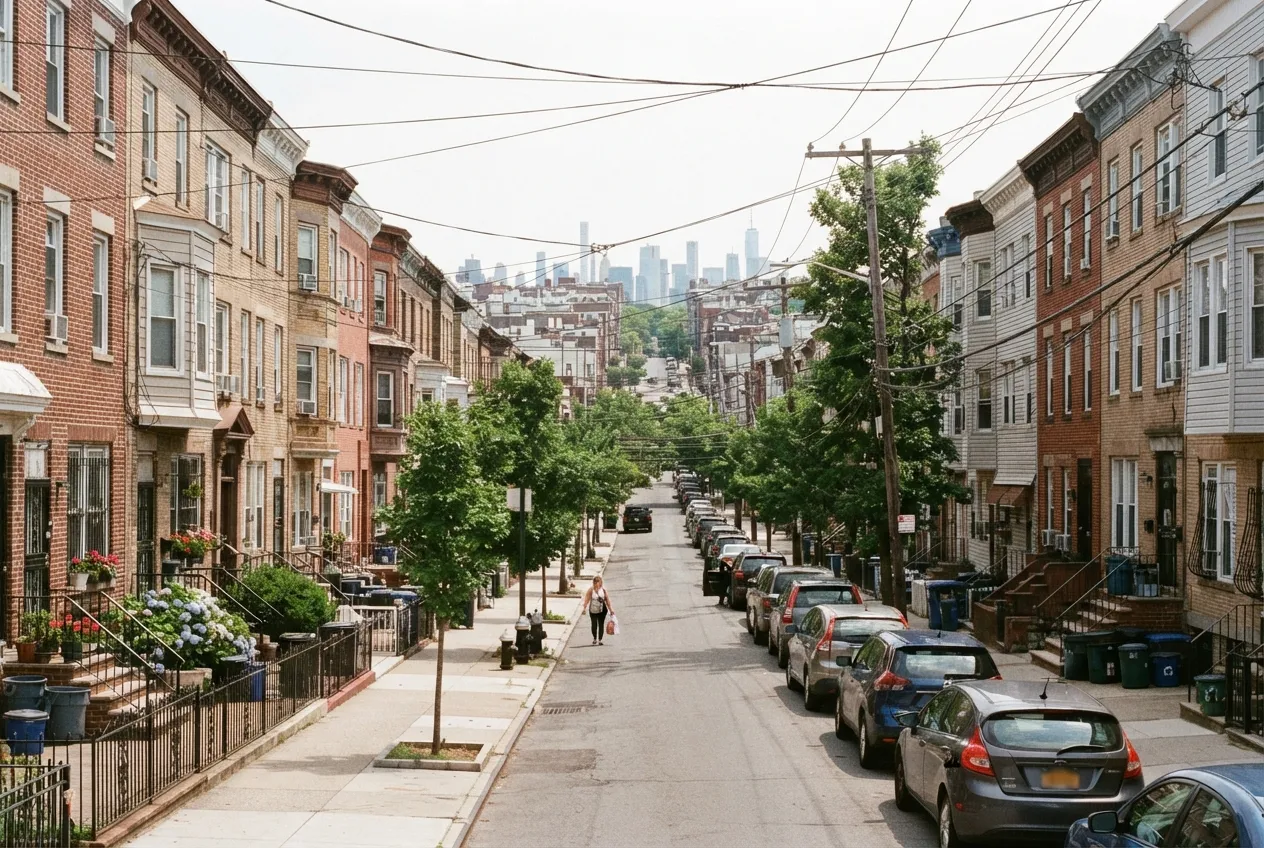
Much of Sunset Park's housing is masonry: attached brick rowhouses, brownstones, and multi-family buildings from the early twentieth century. Their chimneys were built for coal, wood or oil, and many have been serving boilers and water heaters for generations. Over that time, clay tiles crack from heat cycling, mortar joints between tiles wash out, and some chimneys were never lined in the first place.
A liner is the inner channel that carries exhaust up and out. When it fails, heat and combustion byproducts reach the surrounding brick, and in attached homes that brick may sit against a neighbor's wall. A sound liner keeps exhaust moving in the right direction and protects the structure around it.
Oil-to-Gas Conversions and Your Chimney
Many Sunset Park building owners have moved or are planning to move their boilers from oil to gas. In New York City, the chimney has to be evaluated as part of that conversion, and a new liner is often needed. Gas exhaust produces acidic condensate, and that moisture can corrode a masonry flue that handled oil exhaust without trouble.
Because a fuel switch changes the venting system, it calls for a Level 2 inspection under the NFPA 211 standard. We look at the existing flue, check its condition and size against the new appliance, and tell you plainly whether relining is needed. If it is, we can coordinate with your heating contractor so the liner is ready when the new boiler goes in.
How We Install a Chimney Liner
Every chimney is different, but most liner jobs in Sunset Park follow the same basic sequence. We explain each step before we start and leave the work area clean when we finish.
- Inspect the chimney and flue, using a camera to see the full length of the interior
- Confirm the appliance type, fuel and venting requirements so the liner is sized correctly
- Clean the existing flue and remove loose debris or failed tile where needed
- Lower the new liner from the roof and connect it at the base to the appliance
- Secure and seal the top, and install a cap to keep out rain, debris and animals
- Check the draft and show you the finished installation
Signs Your Flue May Need a New Liner
Some liner problems stay hidden until an inspection, but a few warning signs are worth a call. If you notice any of these in your home or building, schedule an inspection before the next heating season gets going.
- Pieces of clay tile or flaky masonry showing up at the base of the chimney
- Water stains, white staining or crumbling brick on chimney walls inside or outside
- Smoke or exhaust odors in rooms near the chimney
- A boiler or water heater that was recently replaced or switched fuels
- An inspection report noting cracked tiles or an unlined flue
Scheduling Around NYC's Heat Season
New York City's heat season runs from October 1 through May 31. During that time, building owners must keep apartments heated to the city's minimum temperatures, so a boiler sitting idle while its chimney waits on repairs is a real problem. Liner work is easiest to plan in late spring and summer, when the heat can be off without affecting tenants or family.
If you find a problem mid-winter, we will still help you work through it. We also serve the surrounding neighborhoods of Borough Park, Dyker Heights, Bay Ridge, Bensonhurst and Bath Beach, so we know the kinds of buildings and chimneys found across this part of Brooklyn.
More services in Sunset Park
- Chimney Sweep in Sunset Park
- Chimney Inspection in Sunset Park
- Chimney Repair in Sunset Park
- Air Duct Cleaning in Sunset Park